 plant care
How to Remove Scale Insects From Houseplants
Scale insects hide under waxy shells on stems and leaf undersides. Learn to find live scale, time sprays to the crawler stage, and clear an infestation for good.
Plant Care is where GardenTrekker started, practical, no-fluff advice for keeping houseplants alive and thriving, whether you own a single pothos or a jungle of fifty.
Every guide here answers a real question: how often to water, why leaves turn yellow, which plants survive low light, and how to rescue one that is already struggling.
What you will find here:
Almost every dead houseplant comes down to one of four things: too much water, too little light, a pot with no drainage, or a sudden change in conditions. Overwatering is the most common, and it rarely looks like overwatering at first. The leaves yellow, then drop, while the soil looks fine on top and the roots sit in water below.
Light comes second. A spot that reads as bright to human eyes can be far too dim for a plant that evolved under open sky, and the plant answers by stretching toward the window and losing colour. Pot size matters too, because a small root ball in a large pot of wet soil stays wet far longer than the plant can drink.
Change one thing at a time and give it a fortnight. Start at the roots: lift the plant out, feel the soil, and cut away anything brown and soft. Repot into a container with drainage holes and a mix that holds air. Then fix the light, because a plant in the wrong spot keeps declining no matter how careful the watering is.
Do not feed a struggling plant. Fertiliser on damaged roots makes the damage worse. Most recoveries take two to four weeks to show, and the first sign is usually new growth rather than old leaves recovering.
| Symptom | Usual cause | First thing to check |
|---|---|---|
| Yellow lower leaves | Overwatering | How wet the soil is a hand deep |
| Brown, dry leaf tips | Dry air or uneven watering | Humidity and the last watering |
| Drooping despite wet soil | Root rot | Roots and drainage |
| Pale, stretched growth | Not enough light | Distance from the window |
| Fine flies around the soil | Fungus gnats | Soil surface and watering habit |
| Dusty, dull leaves | Blocked pores, not disease | Cleaning routine |
Reviewed by the GardenTrekker editorial team. Last updated: October 1, 2026.
plant careScale insects hide under waxy shells on stems and leaf undersides. Learn to find live scale, time sprays to the crawler stage, and clear an infestation for good.
 plant care
A Christmas cactus is a tropical cactus, not a desert one. Give it bright indirect light, cool nights, and long dark in fall, and the buds will set and hold.
 plant care
Mealybugs hide in leaf joints and spread plant to plant. Spot them early, isolate the pot, and time repeat treatments so they do not come back.
 plant care
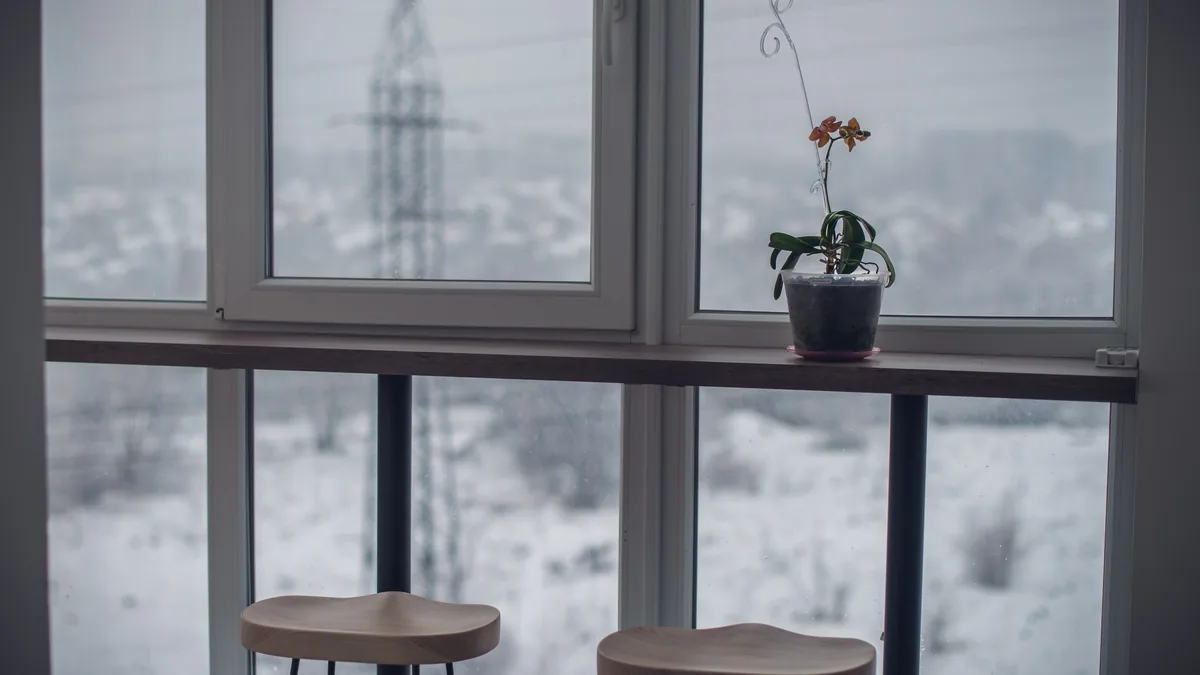
Cold glass pulls houseplant temperatures well below the room. Here is how cold is too cold, how to test your own spots, and how to keep leaves safe.
 plant care
Most houseplants stop growing in weak winter light and do not need fertilizer. Here is when to skip feeding, how to flush salt buildup, and when to start again.
 plant care
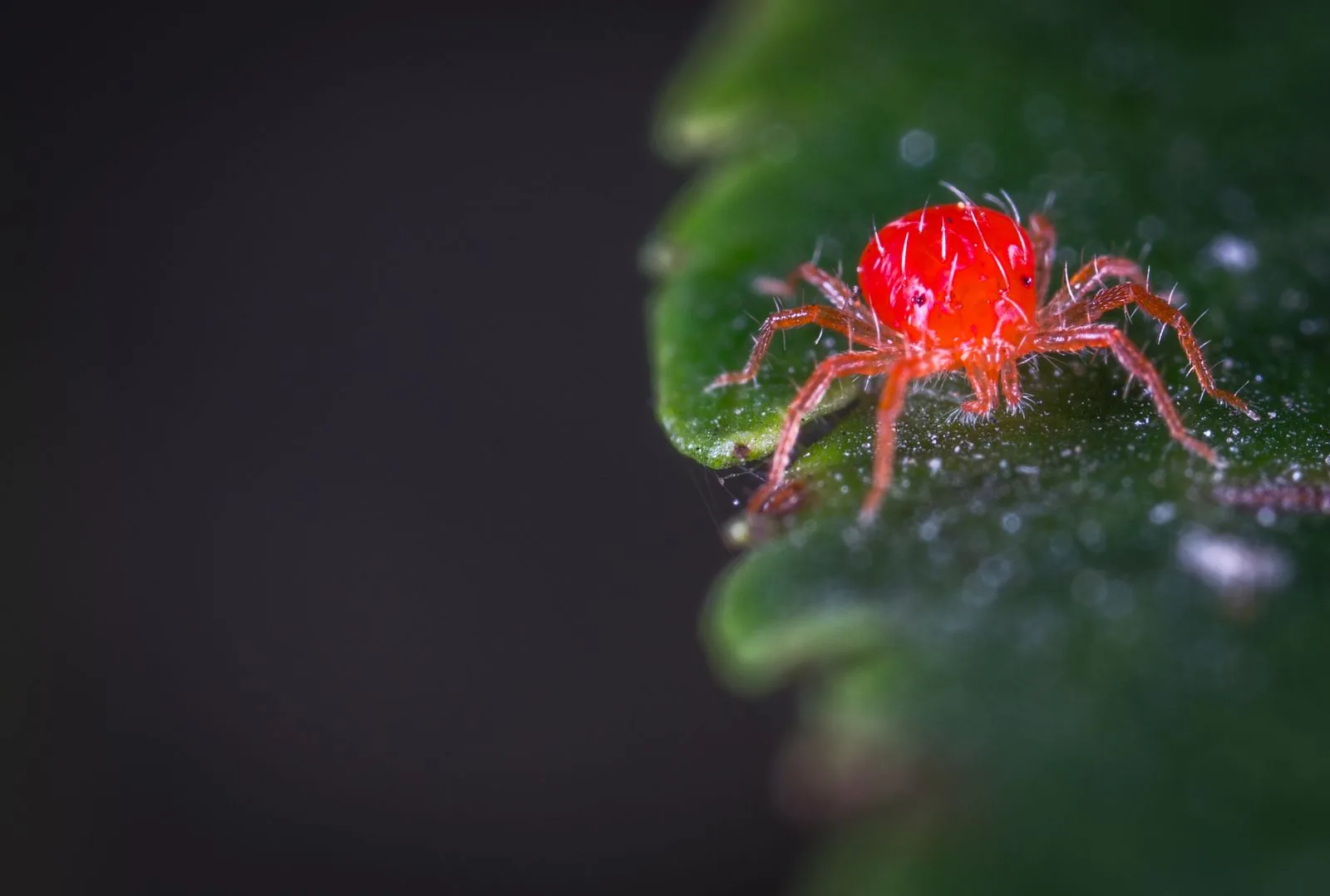
Fine webbing and pale, speckled leaves mean spider mites. Here is how to spot them and break their three-week breeding cycle for good.
 plant care
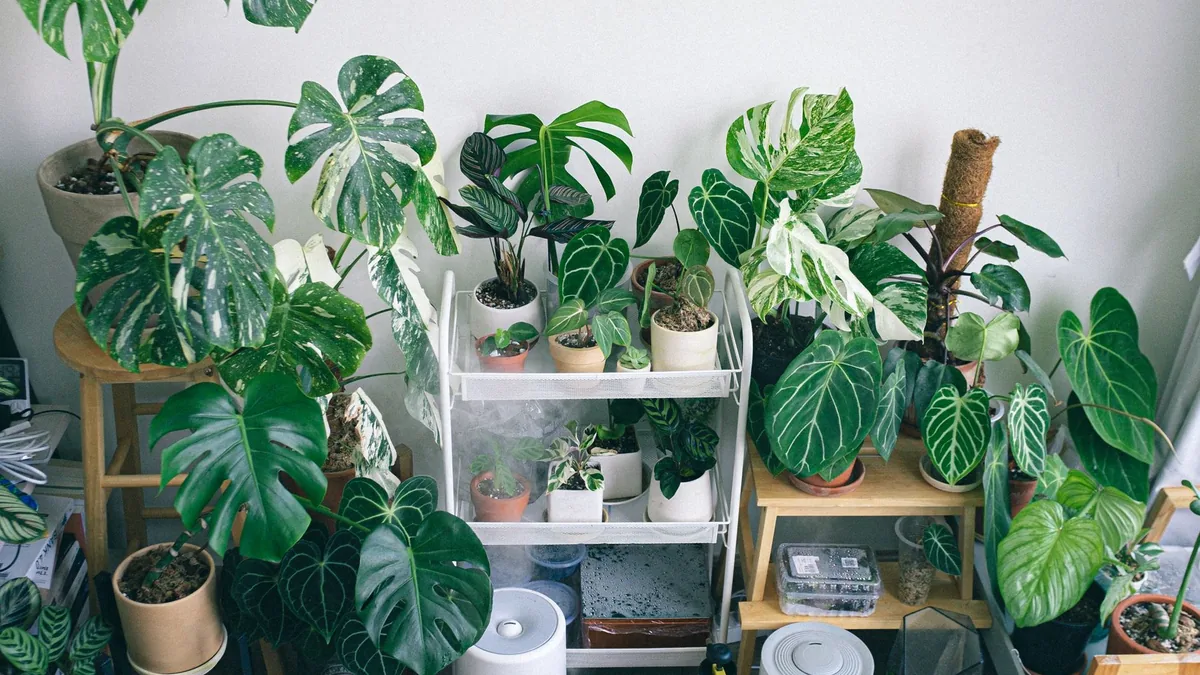
Heated homes often fall below 30 percent humidity in winter. Here is what actually raises the number for houseplants, what to measure, and what barely works.
 plant care
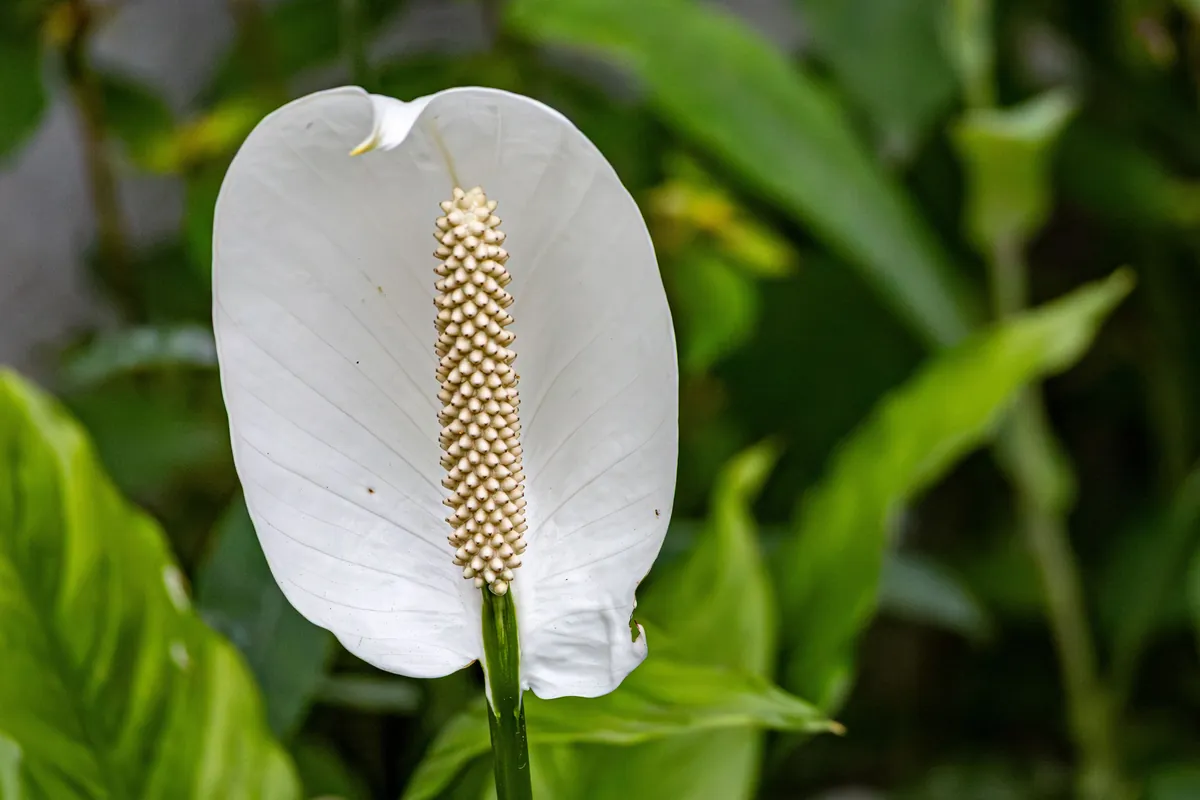
A peace lily that will not flower is usually short on light, maturity, or phosphorus. Work through five checks that bring the white spathes back.
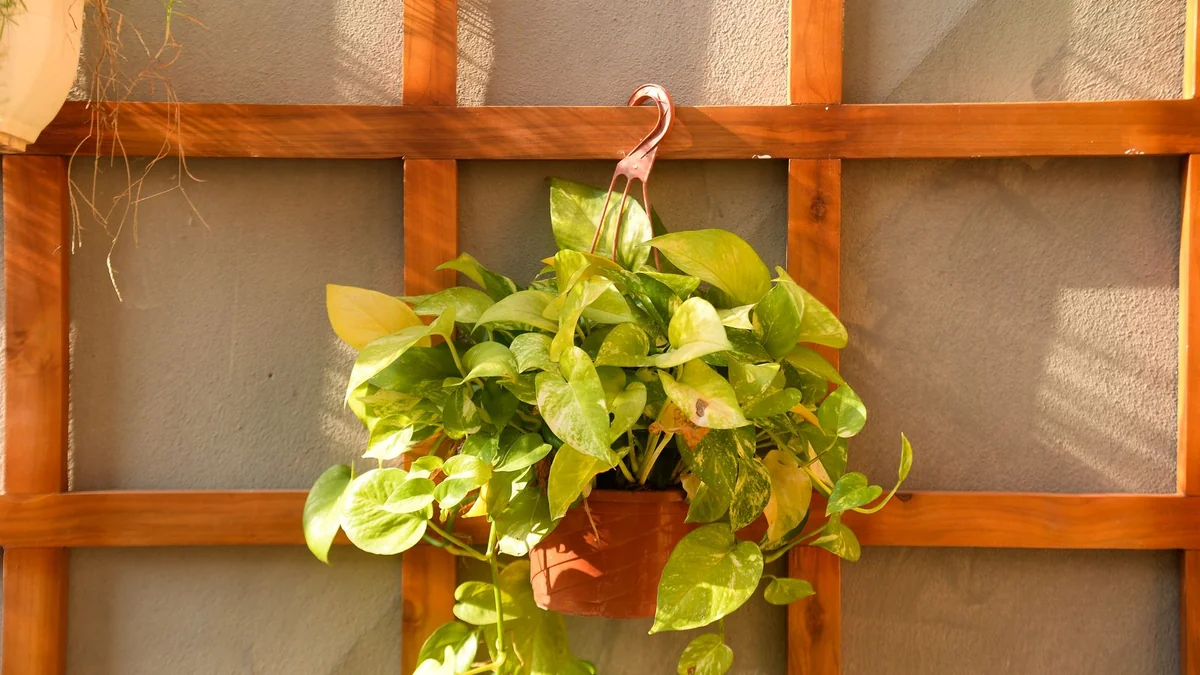 plant care
A leggy pothos is either reaching for light or long overdue for a trim. Here is how to tell which one it is and bring the vine back to a full pot.
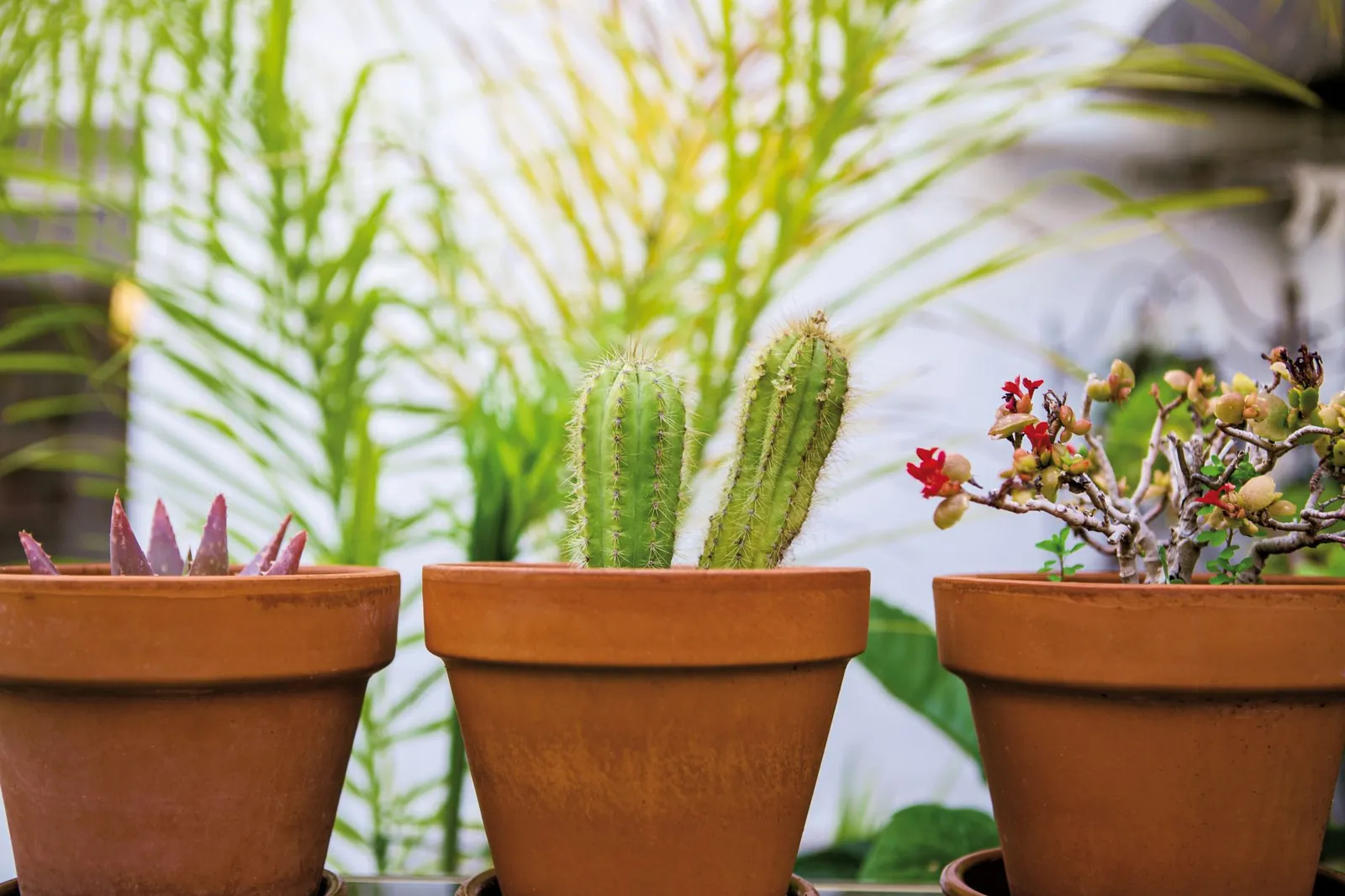 plant care
Clay and plastic pots dry out at different speeds, which changes how often you water. Here is how to pick the right material for your plant and your habits.
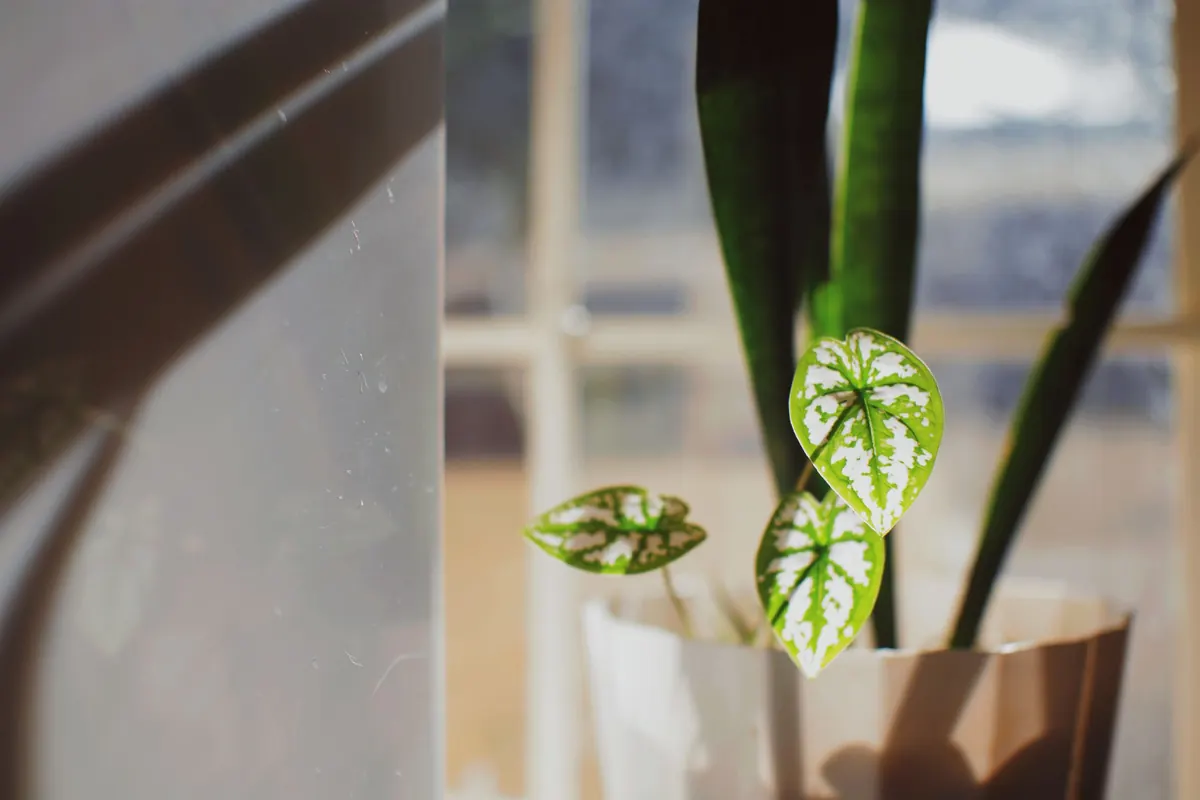 plant care
A houseplant that stops growing is usually short of light, root space, or a season cue. Here is how to check each cause in order and fix the right one.
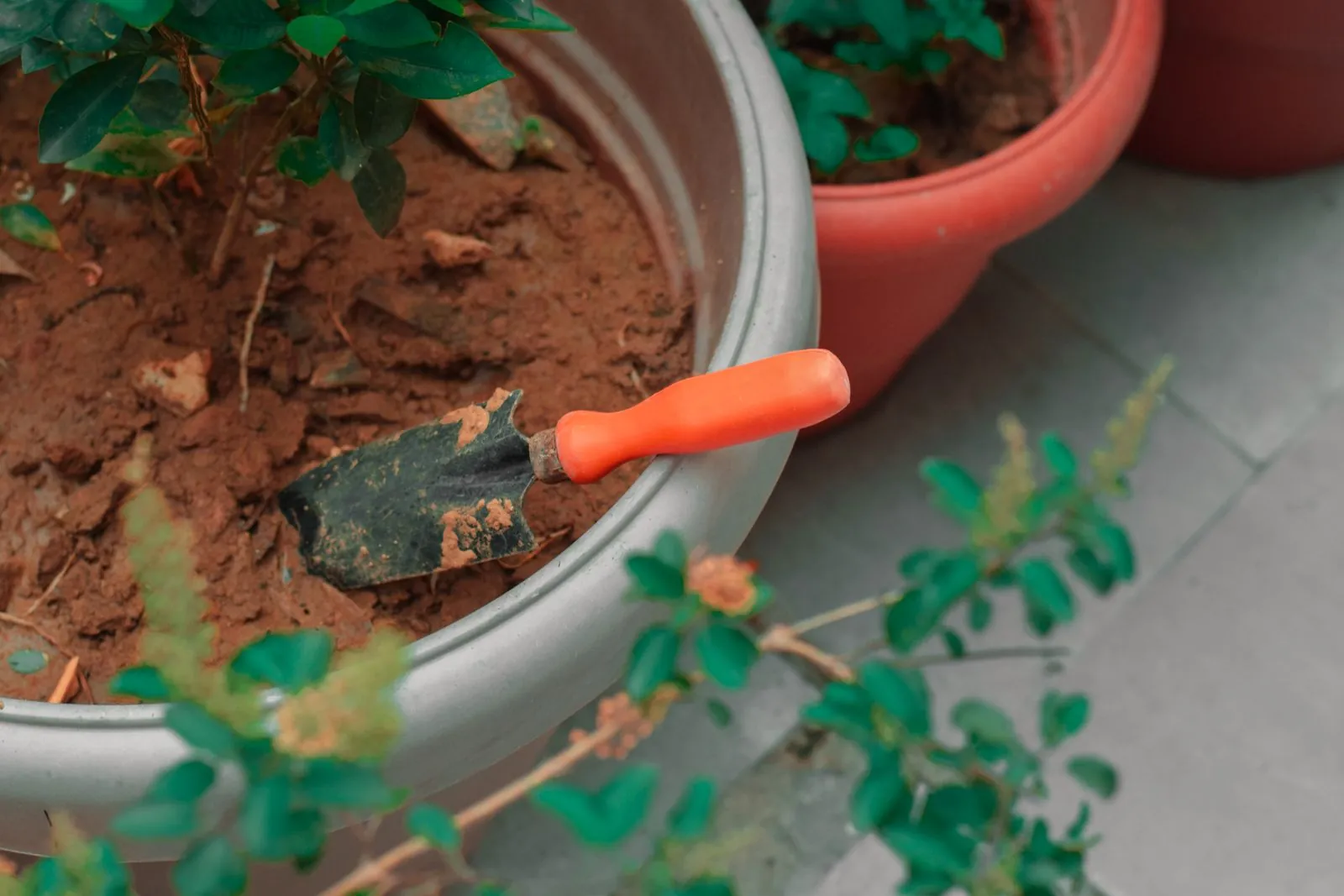 plant care
When water runs down the side of the pot and straight out the drain holes, the mix has gone water-repellent. Here are the fixes that actually rewet it.
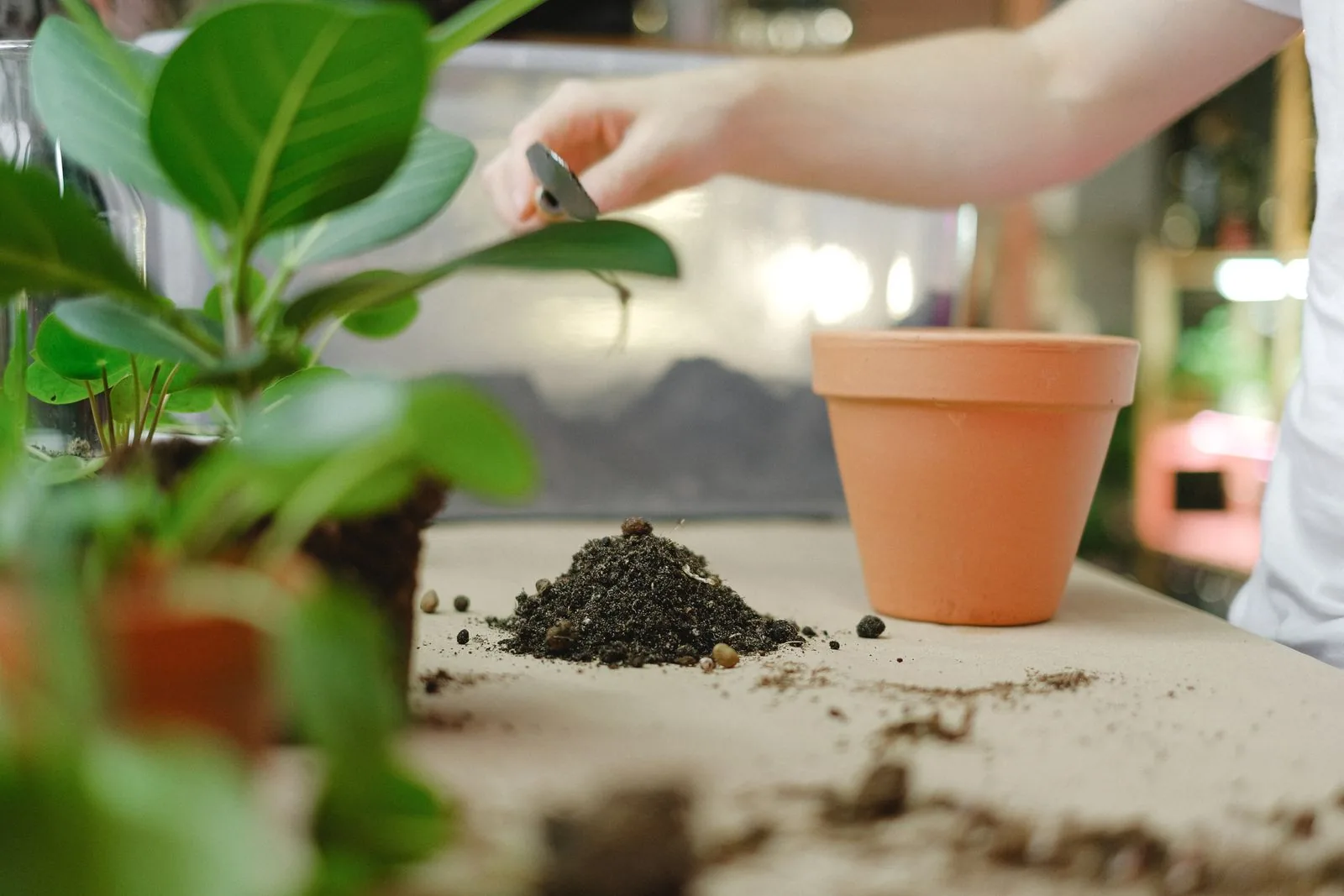 plant care
A fuzzy white layer on top of the potting mix is usually saprophytic fungus, not a disease. Here is how to identify it, remove it, and stop it coming back.
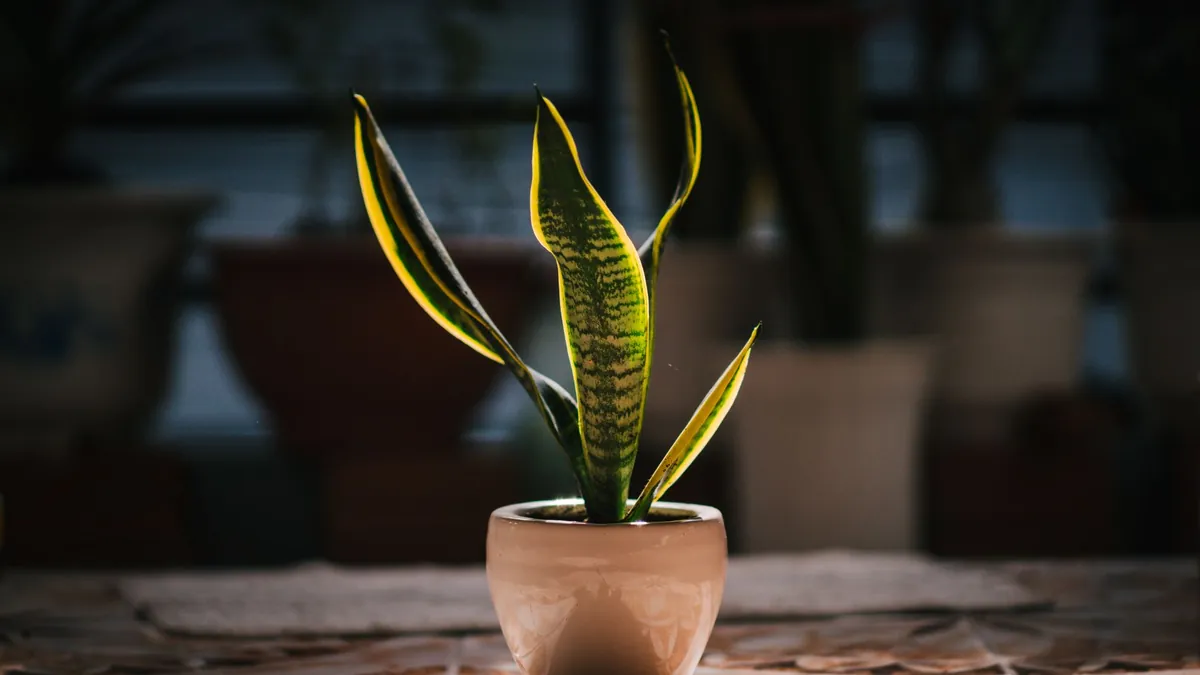 plant care
A leaning snake plant is telling you one of six things. Here is how to tell rot from a light problem from a pot that is simply too small, and the fix for each.
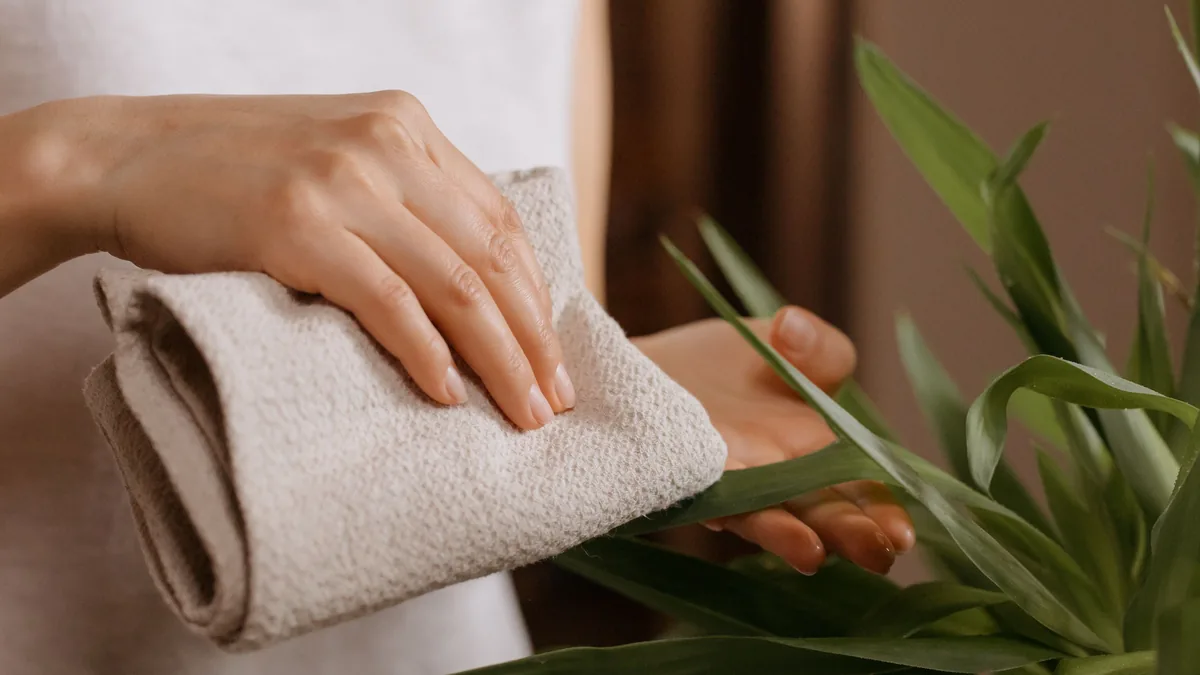 plant care
Dusty leaves block light and hide pests. See how to clean houseplant leaves by leaf type, how often to do it, and what never to wipe on foliage.
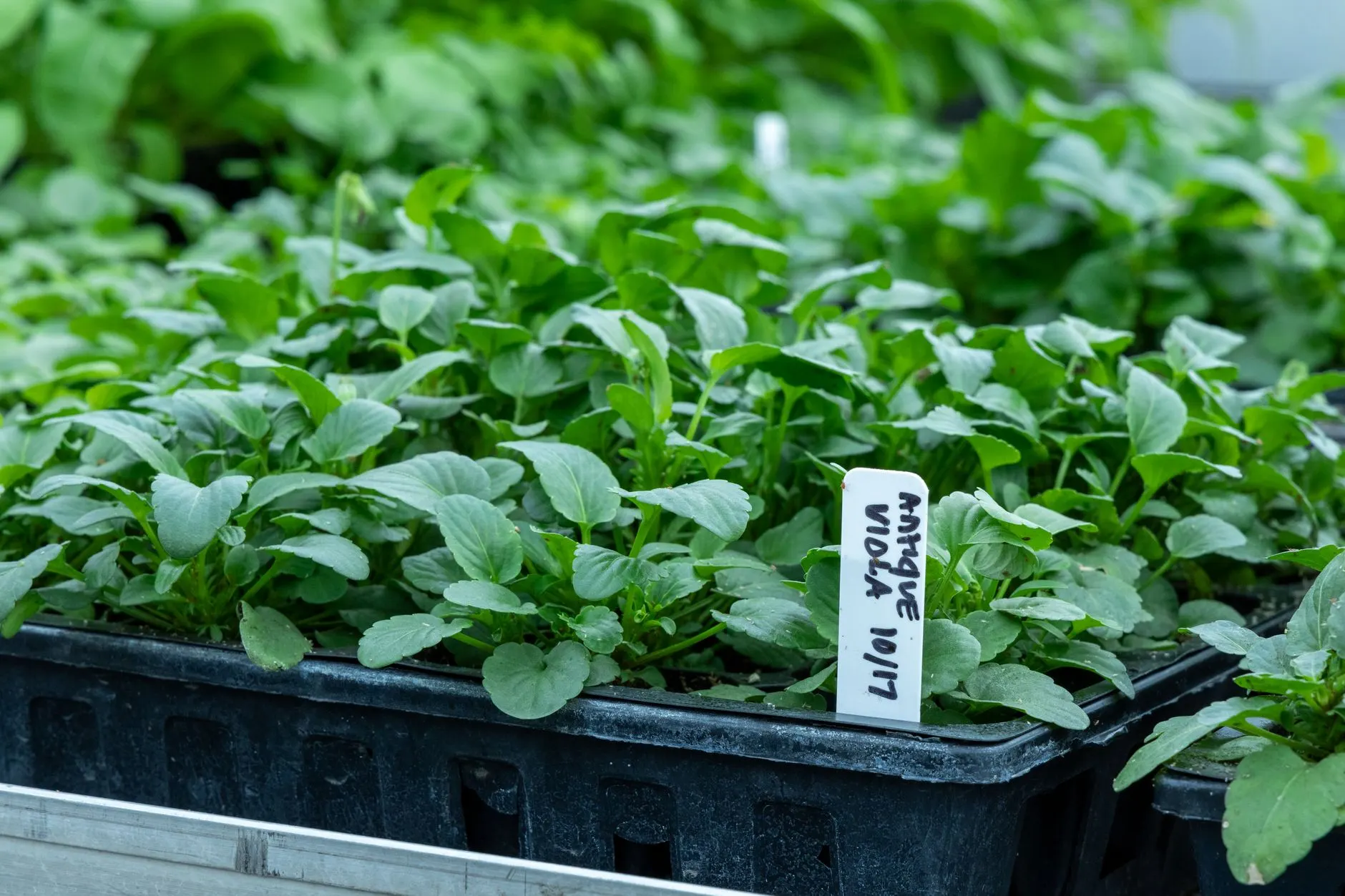 plant care
Nursery pots are shipping containers, not permanent homes. See how long houseplants, herbs, and garden starts can stay in them, and when roots need more room.
 plant care
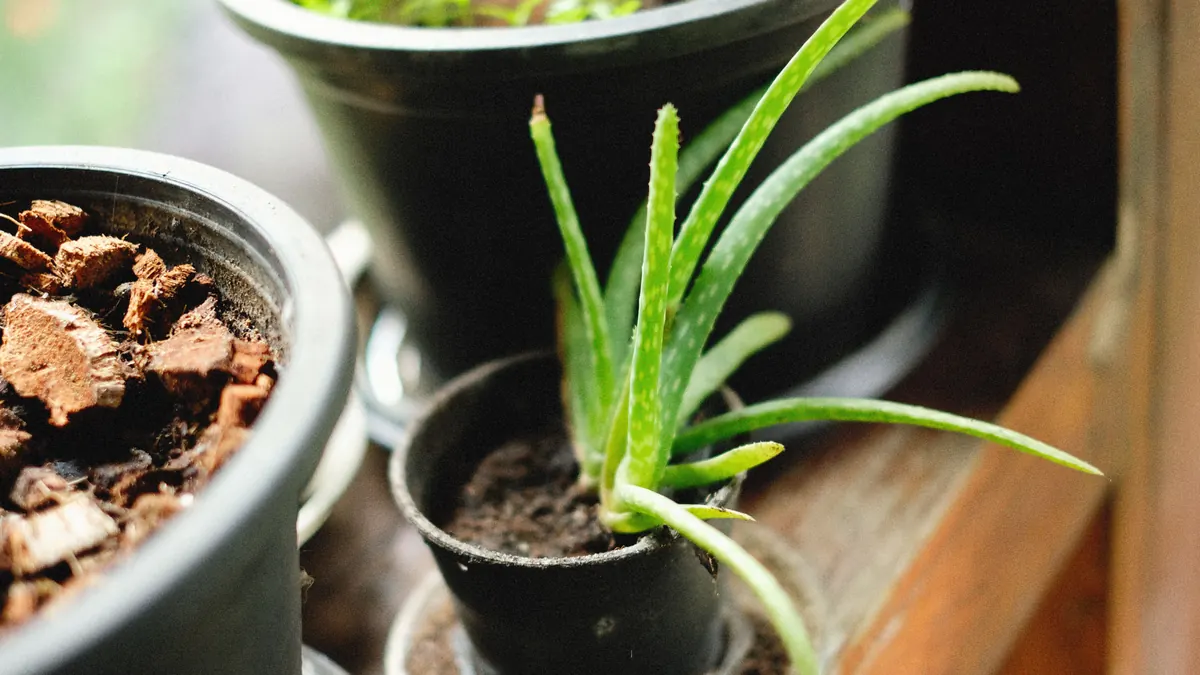
Aloe vera usually fails indoors for one reason: too much water. Learn the light, gritty soil, and watering rhythm that keep the leaves firm and upright.
 plant care
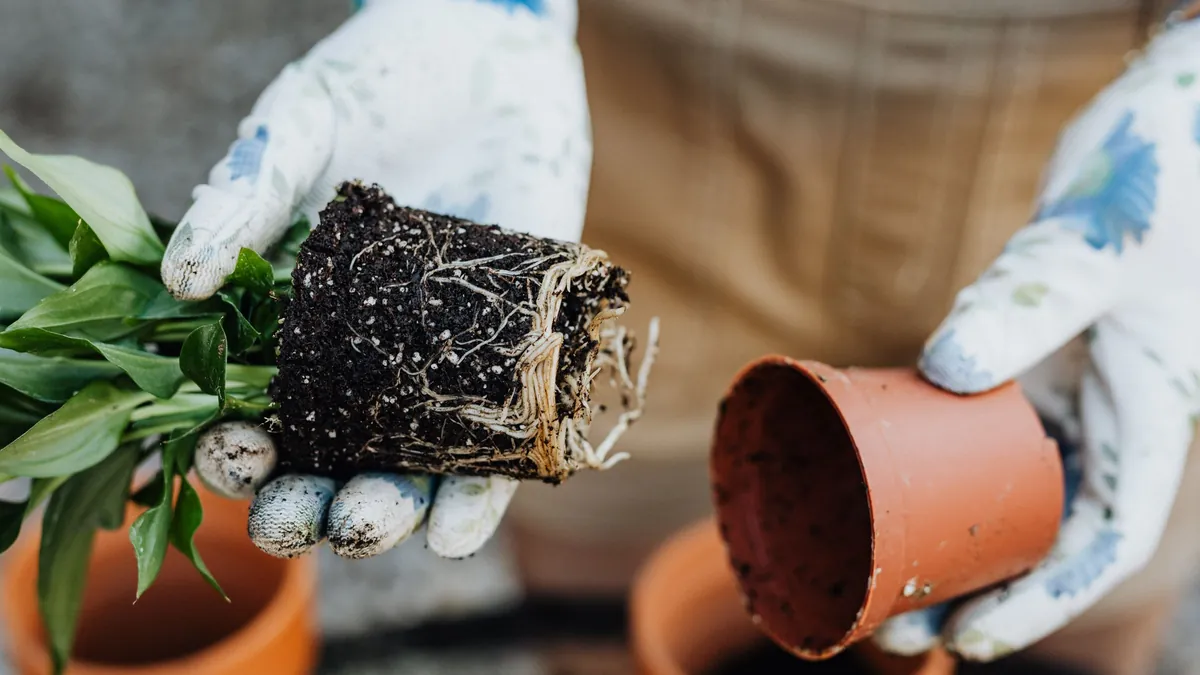
Root rot is a watering problem, not bad luck. Learn the early signs, how to check the roots, and the exact steps to rescue a plant that is still alive.
 plant care
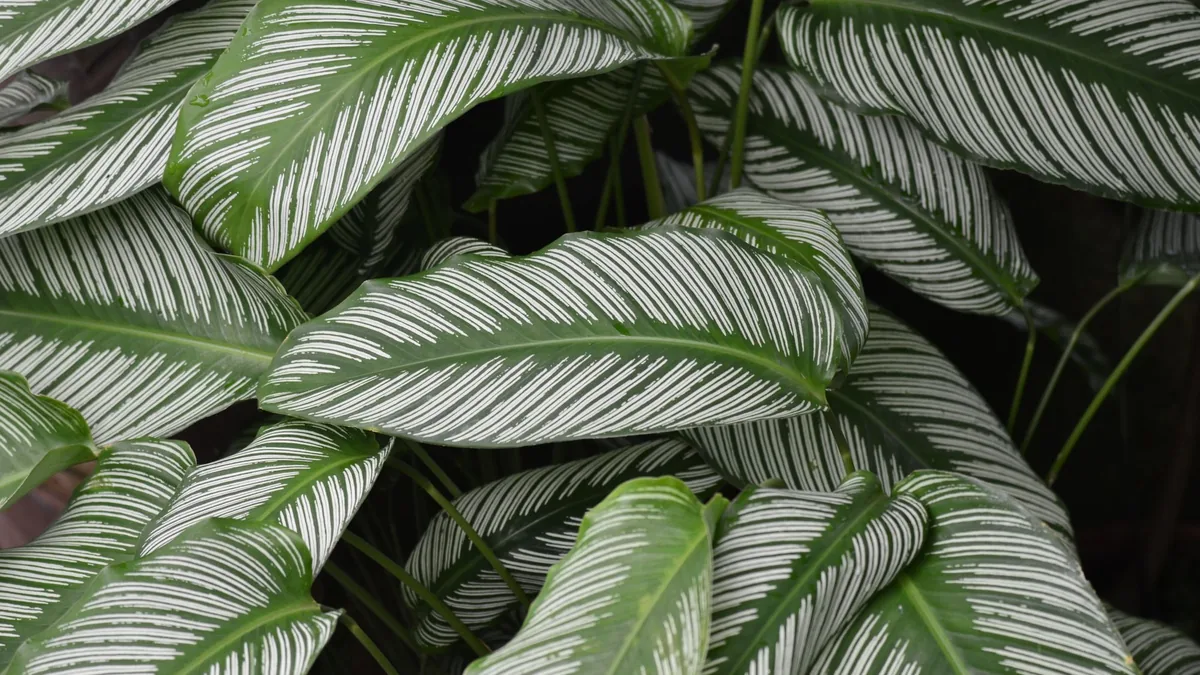
Calathea rewards consistent care. Learn the right light, water quality, and humidity for prayer plants, plus fixes for curling leaves and brown tips.
 plant care
Brown leaf tips are a signal, not a disease. Learn the real causes: watering habits, humidity, fertilizer salts, tap water chemicals, and root problems.
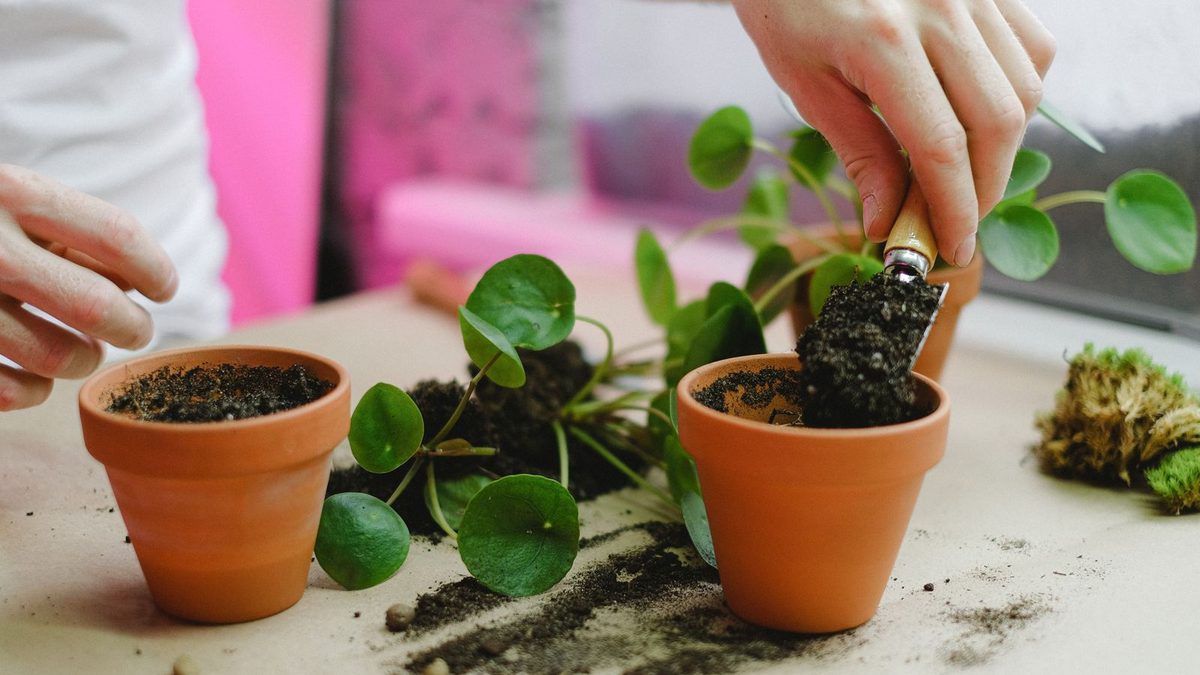 plant care
Learn when to repot a houseplant, how to choose the right pot and soil, and a simple step-by-step method that protects the roots. Beginner friendly.
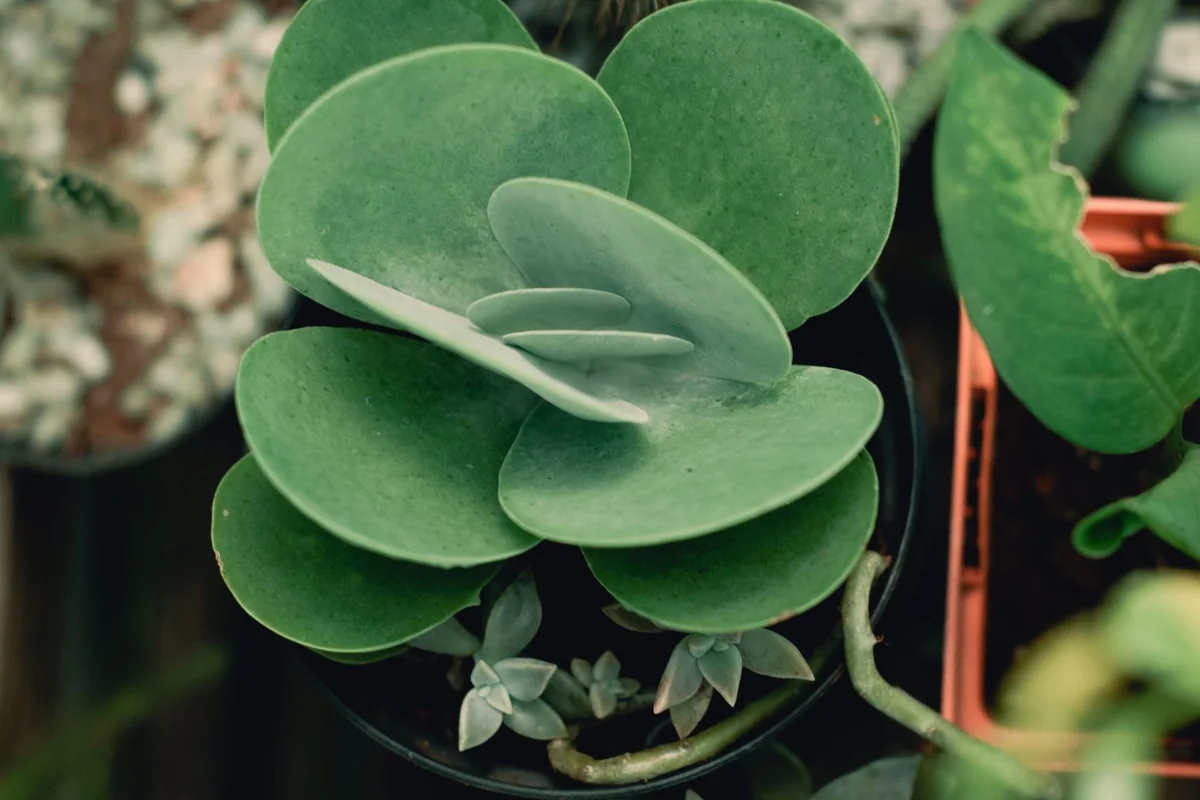 plant care
Succulent leaves dropping is almost always a water or light problem. Here are the six real causes and the exact fix for each one.
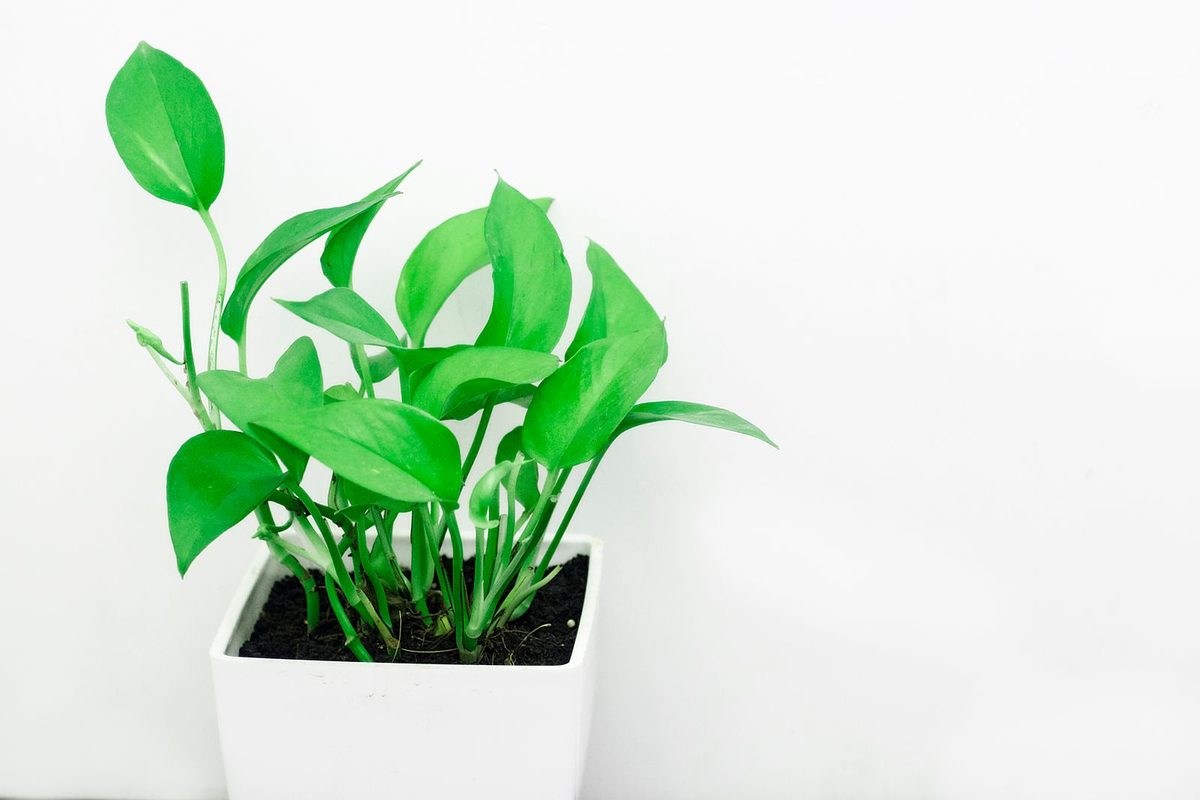 plant care
Turn one pothos into many with clear step-by-step instructions. Learn water and soil rooting, when to cut, and how to avoid the common failures.
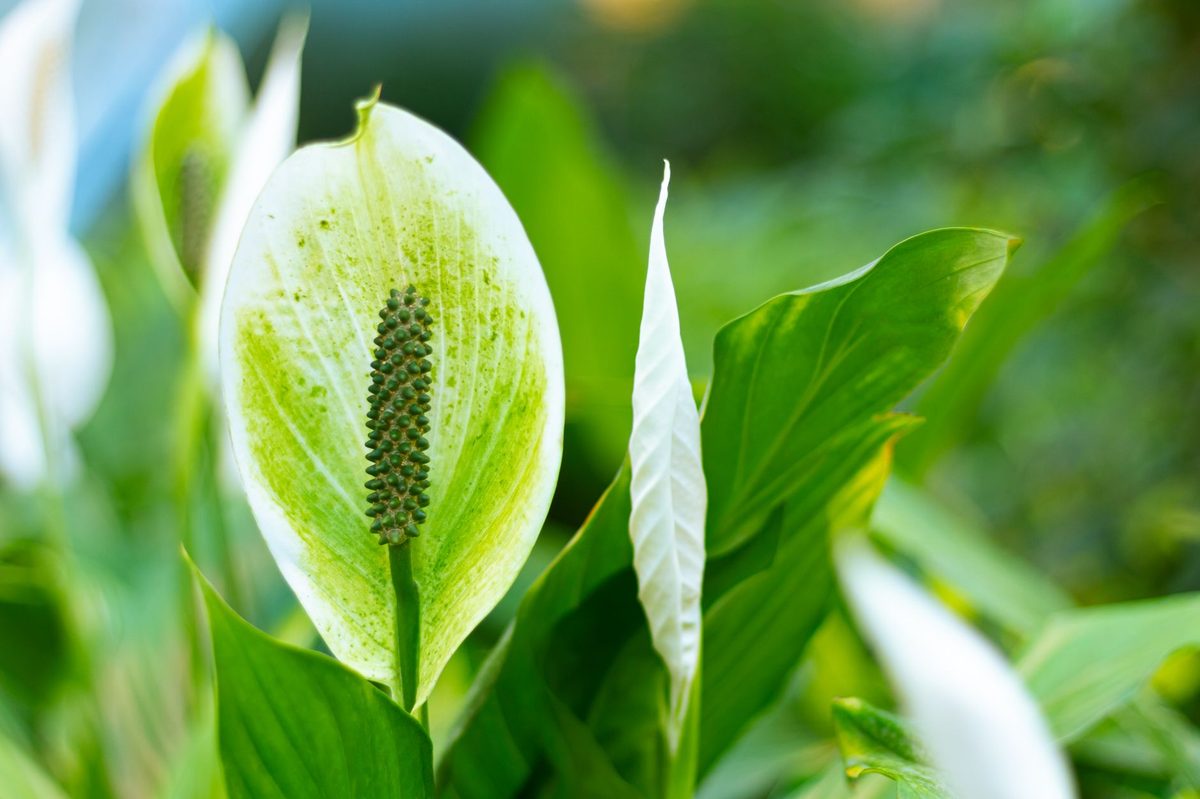 plant care
Peace lilies are forgiving, but they let you know when they're unhappy. Here's exactly how to water, light, and feed yours so it stays lush and blooms.
 plant care
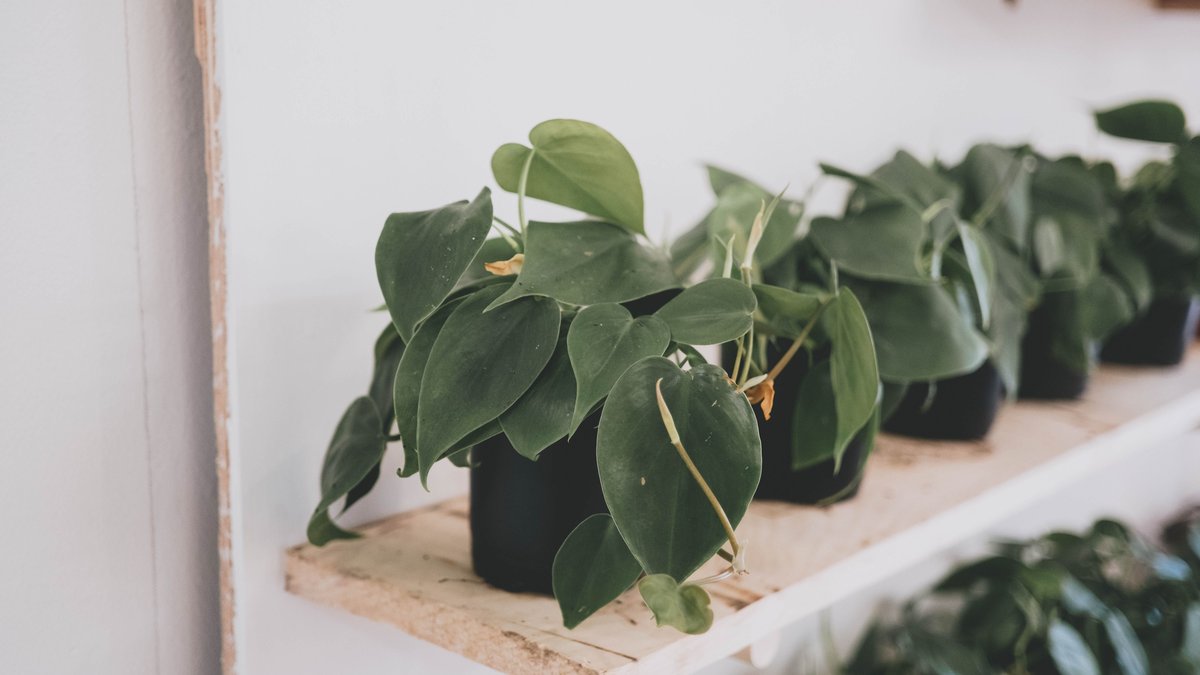
Monstera and philodendron look alike at first glance, but they differ in leaf shape, size, and care. Compare them side by side and pick the right one for your home.
 plant care
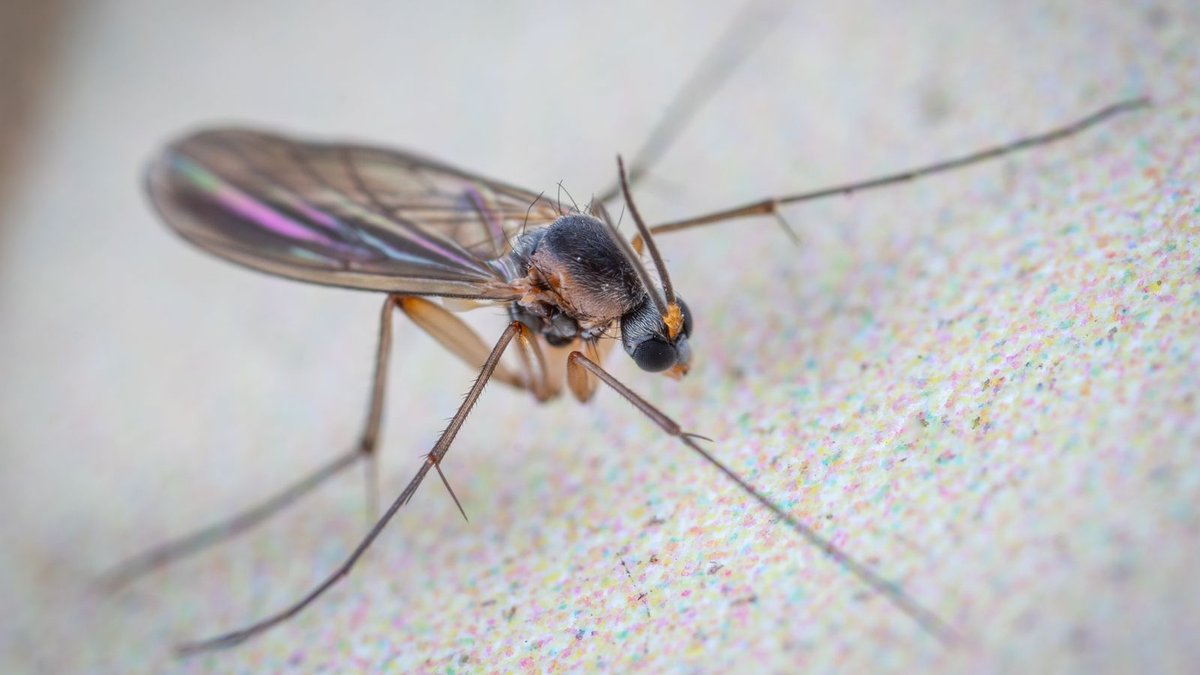
Fungus gnats in your houseplants? They come from overwatered soil, not a dirty home. Here's how to break the lifecycle and keep them gone for good.
 plant care
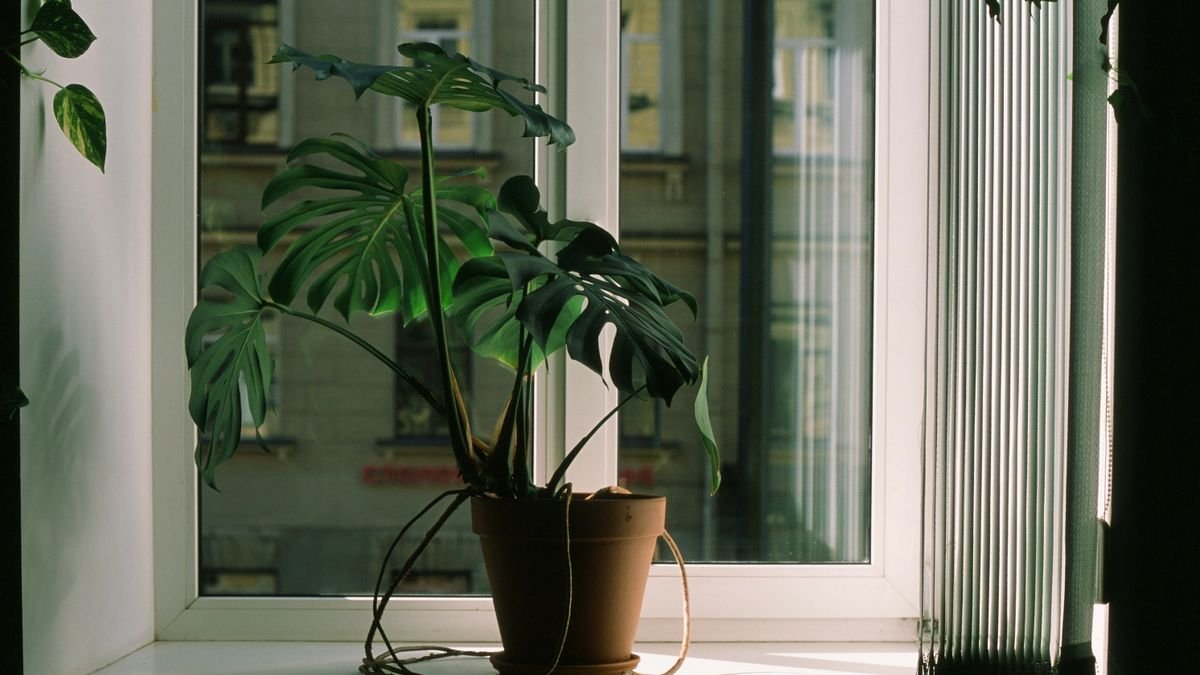
New to houseplants? These 10 plants tolerate low light, missed waterings, and beginner mistakes: here's how to care for each one.
 plant care
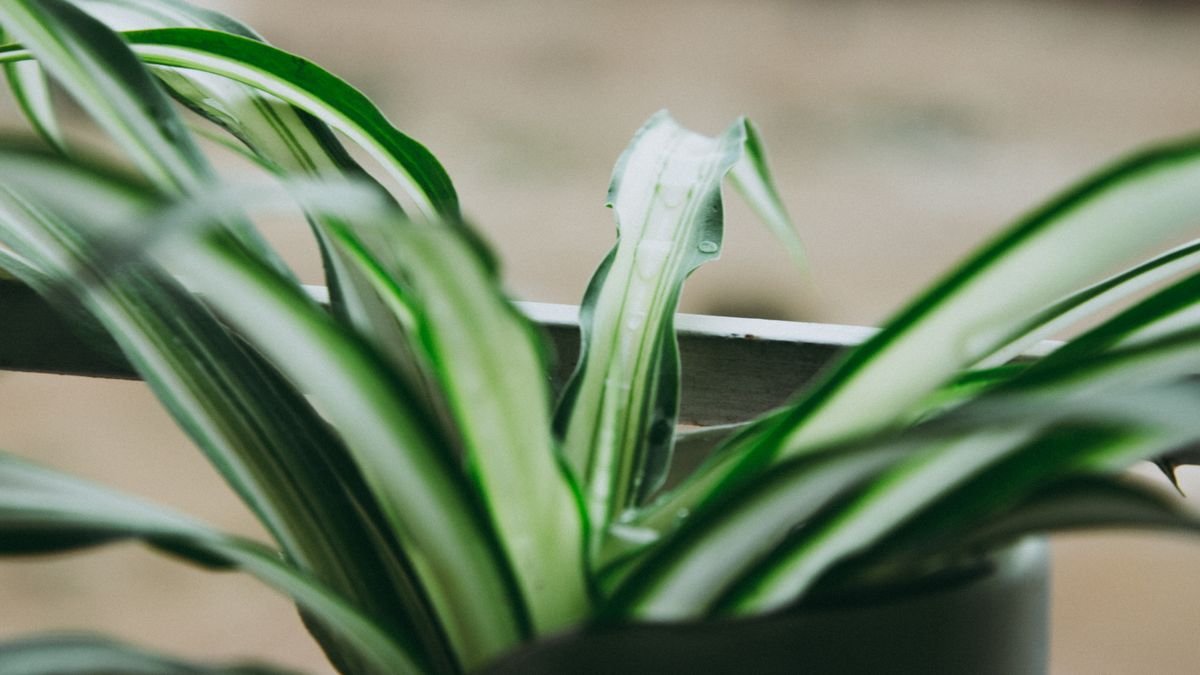
Spider plants forgive almost anything except overwatering. Here's the exact watering schedule that keeps them lush, plus how to read the signs.
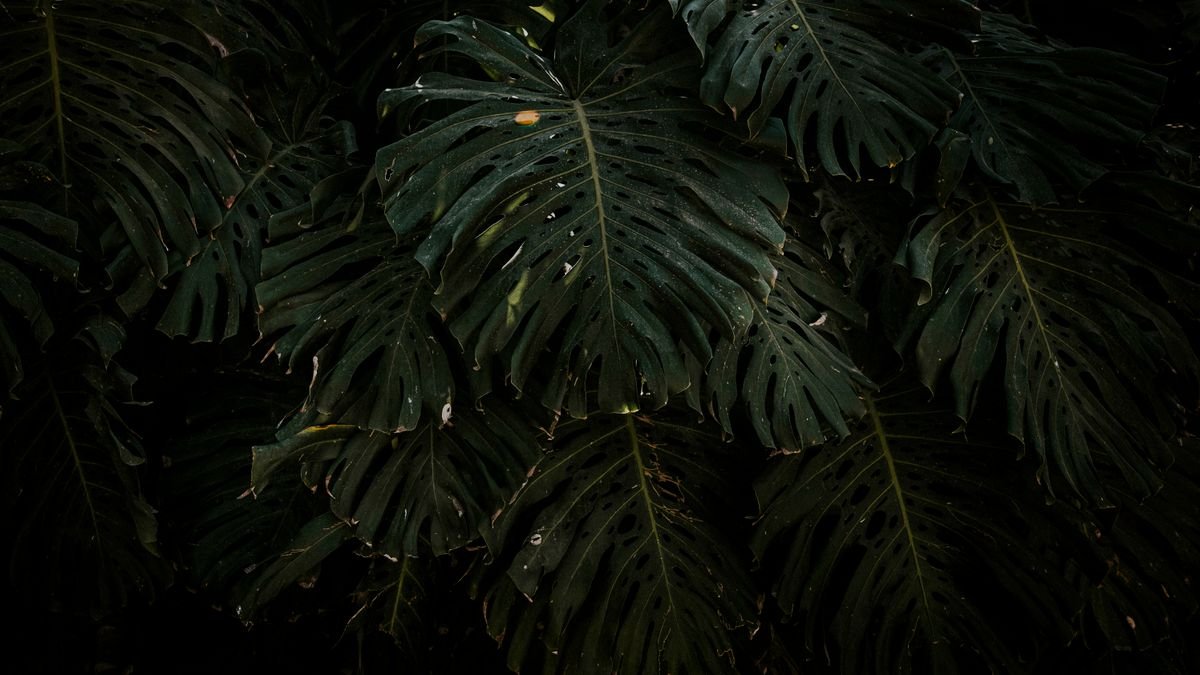 plant care
Yellow monstera leaves are almost always one of seven fixable causes. Work through them in order and your plant will recover within weeks.
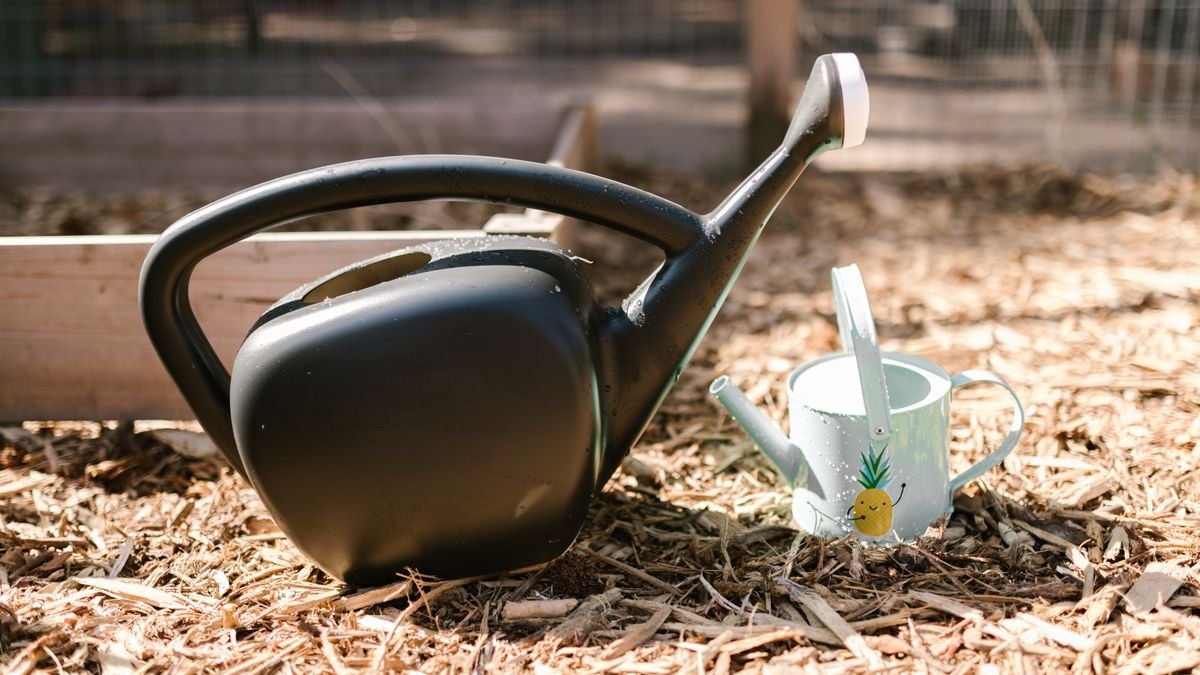 plant care
A simple weekly plant care routine that takes 10 minutes: watering, dusting, pest checks, and rotation, plus a free printable checklist.
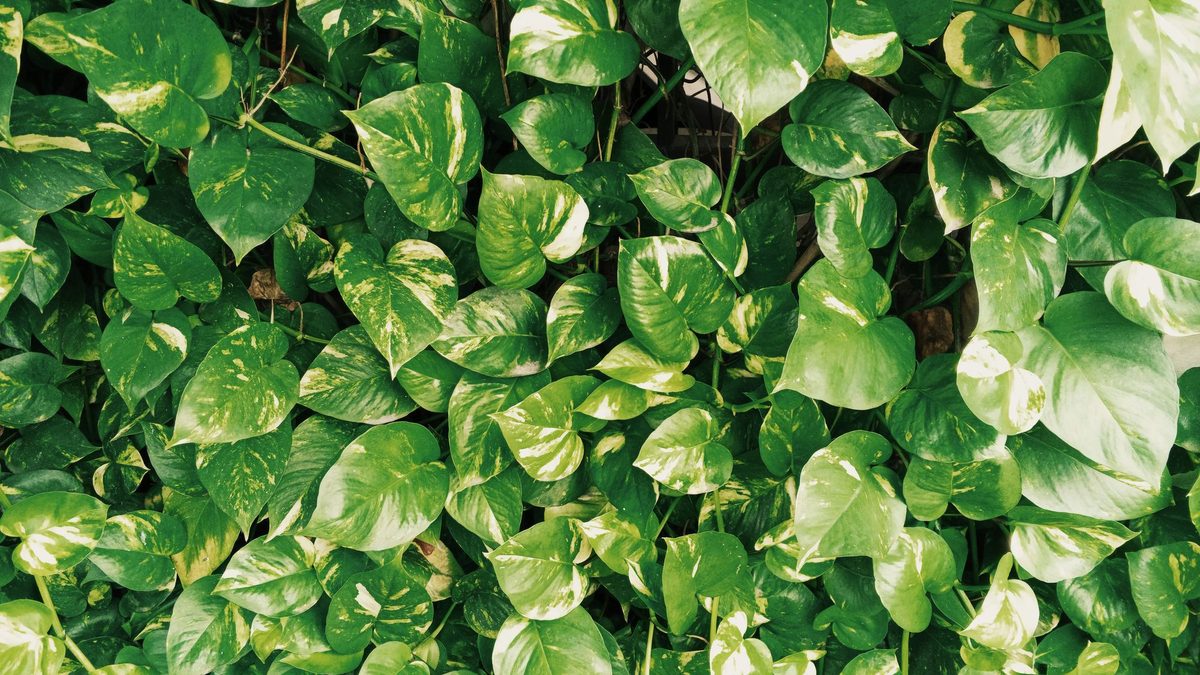 plant care
Curling pothos leaves are almost always one of six fixable causes. Spot the exact one, from underwatering to pests, and bring your leaves flat again.
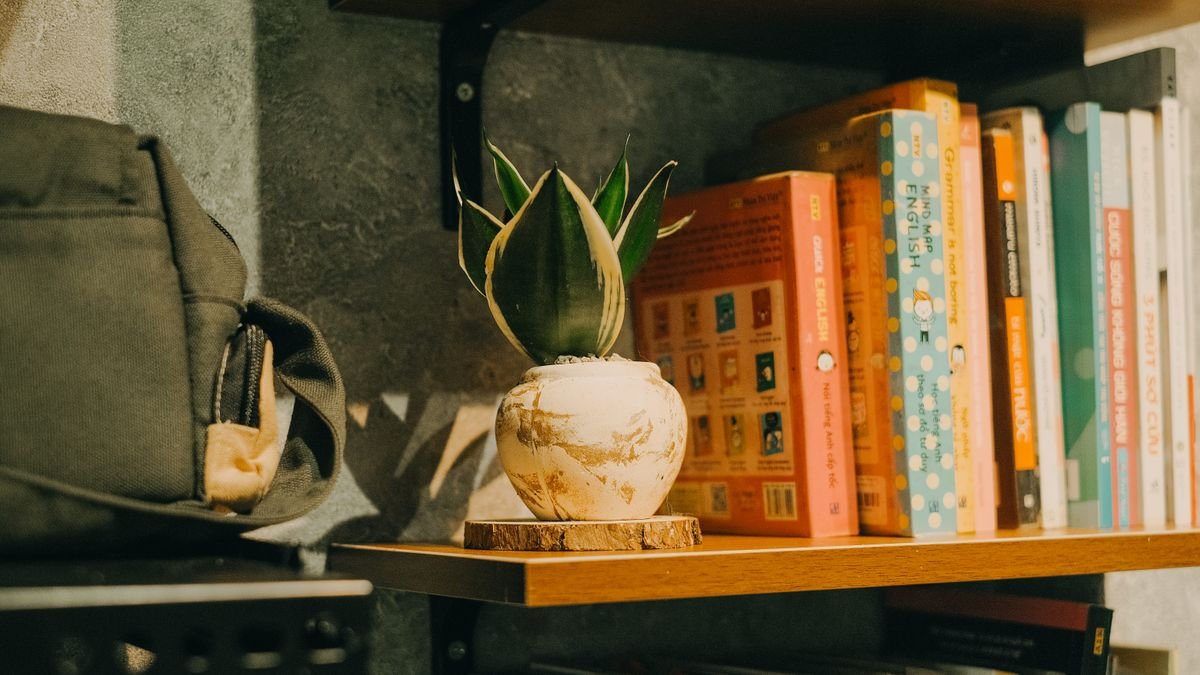 plant care
Both survive neglect, but snake plants and ZZ plants suit different homes. Compare light, watering, growth, and pet safety to pick the winner.