 garden landscaping
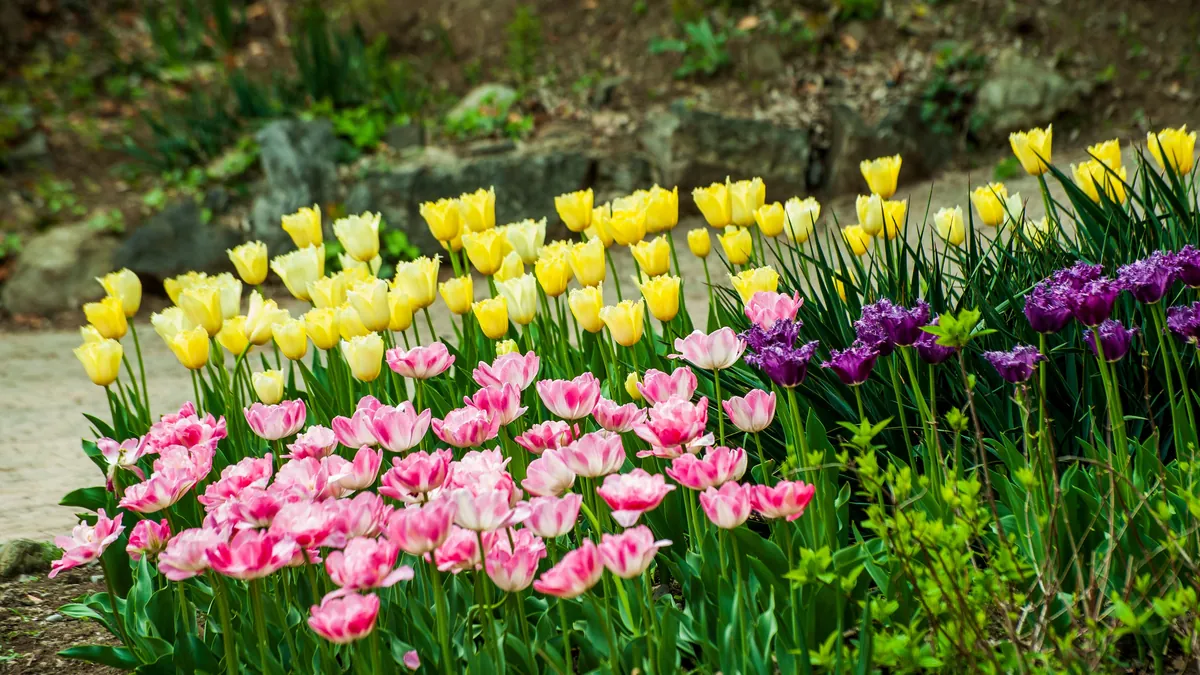
Why Your Tulips Don't Come Back Every Year
Most garden tulips bloom well for only a few springs, then send up leaves with no flowers. Here is why yours faded, and the habits that make tulips return.
Garden & Landscaping is for everyone with outdoor space, from a balcony with three pots to a yard with a lawn that needs taming.
You will find seasonal maintenance routines, planting guidance, and landscaping basics explained without jargon: what to do, when to do it, and what happens if you skip it.
What you will find here:
The garden calendar follows the growing season rather than the mood of the weekend. Feeding, edging, and mulching belong in early spring, before growth takes off, because that is when roots use what you give them. Planting is safest once the soil has warmed and the last frost has passed. Watering and mowing heights matter most in summer, when heat stress does the damage.
Autumn is the repair season: reseeding bare lawn patches, planting bulbs, and clearing leaves before they smother the grass. Winter is for the jobs that do not depend on growth, such as tool care and pruning deciduous plants while they are dormant. Doing a job a season early usually costs more than doing it a week late.
Drainage is the one people skip. Water that pools after rain will kill most plantings and lift hard surfaces, and no amount of good planting fixes a wet spot. Check where water actually goes in a heavy shower before you design anything.
The second is plant choice against light. A plant described as shade tolerant in a milder climate can burn in full afternoon sun elsewhere, so match the plant to the spot rather than the photo. The third is trying to do the whole garden in one weekend: edges, beds, and lawns all at once means none of them gets checked the following season, which is when the mistakes show.
| Season | Main job | Why then |
|---|---|---|
| Early spring | Feed, edge, and mulch beds | Growth starts and roots take up what is there |
| Late spring | Plant out and sow once frost has passed | Warm soil and no cold nights |
| Summer | Water deeply and raise the mowing height | Longer grass shades its own roots |
| Autumn | Reseed bare patches, plant bulbs, clear leaves | Soil is still warm and rain returns |
| Winter | Prune dormant plants, service tools | The plant is not growing, so cuts heal cleanly |
Reviewed by the GardenTrekker editorial team. Last updated: October 1, 2026.
garden landscapingMost garden tulips bloom well for only a few springs, then send up leaves with no flowers. Here is why yours faded, and the habits that make tulips return.
 garden landscaping
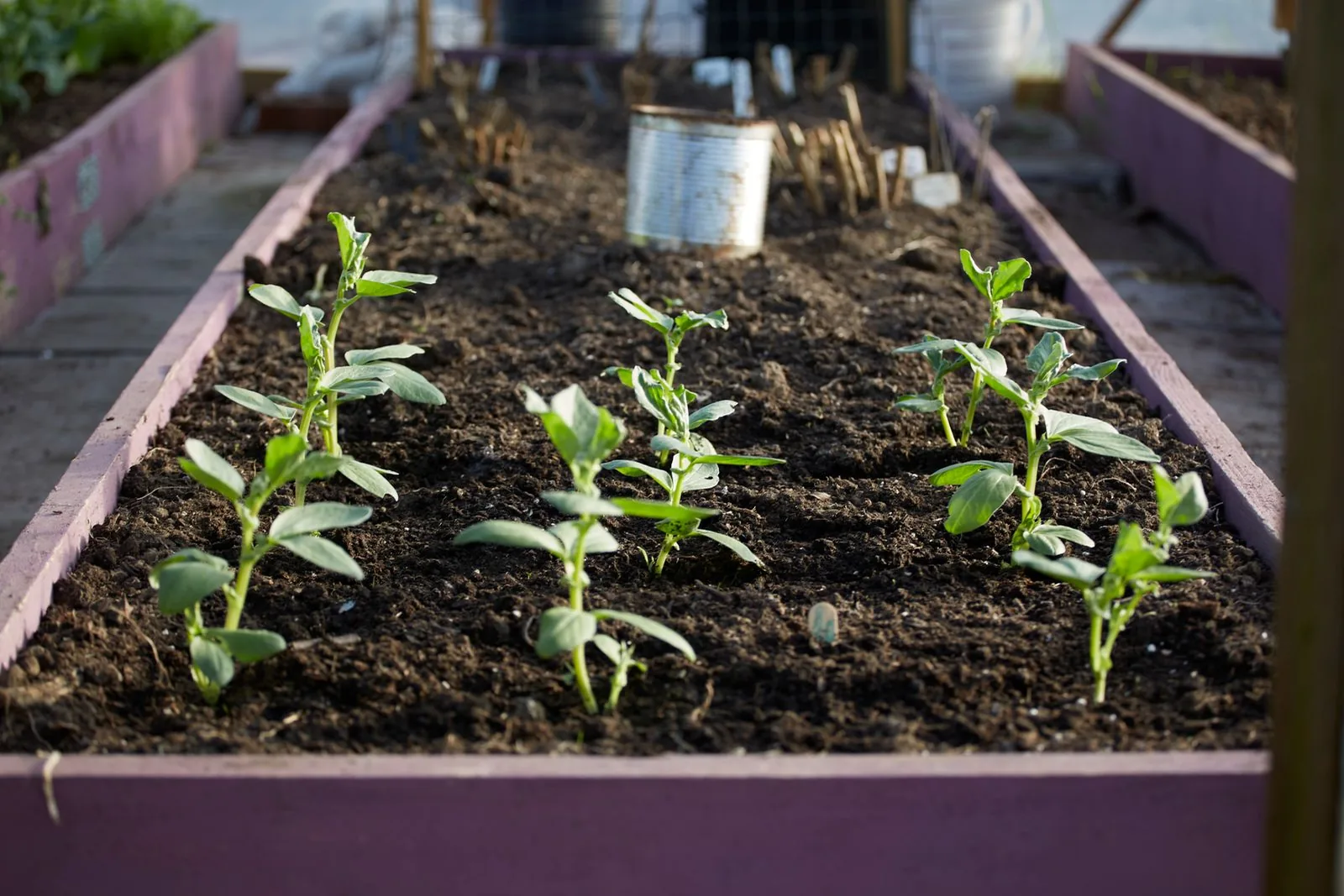
Raised beds lose water through the sides as well as the surface. Here is how to work out which cause you have and fix the one that applies.
 garden landscaping
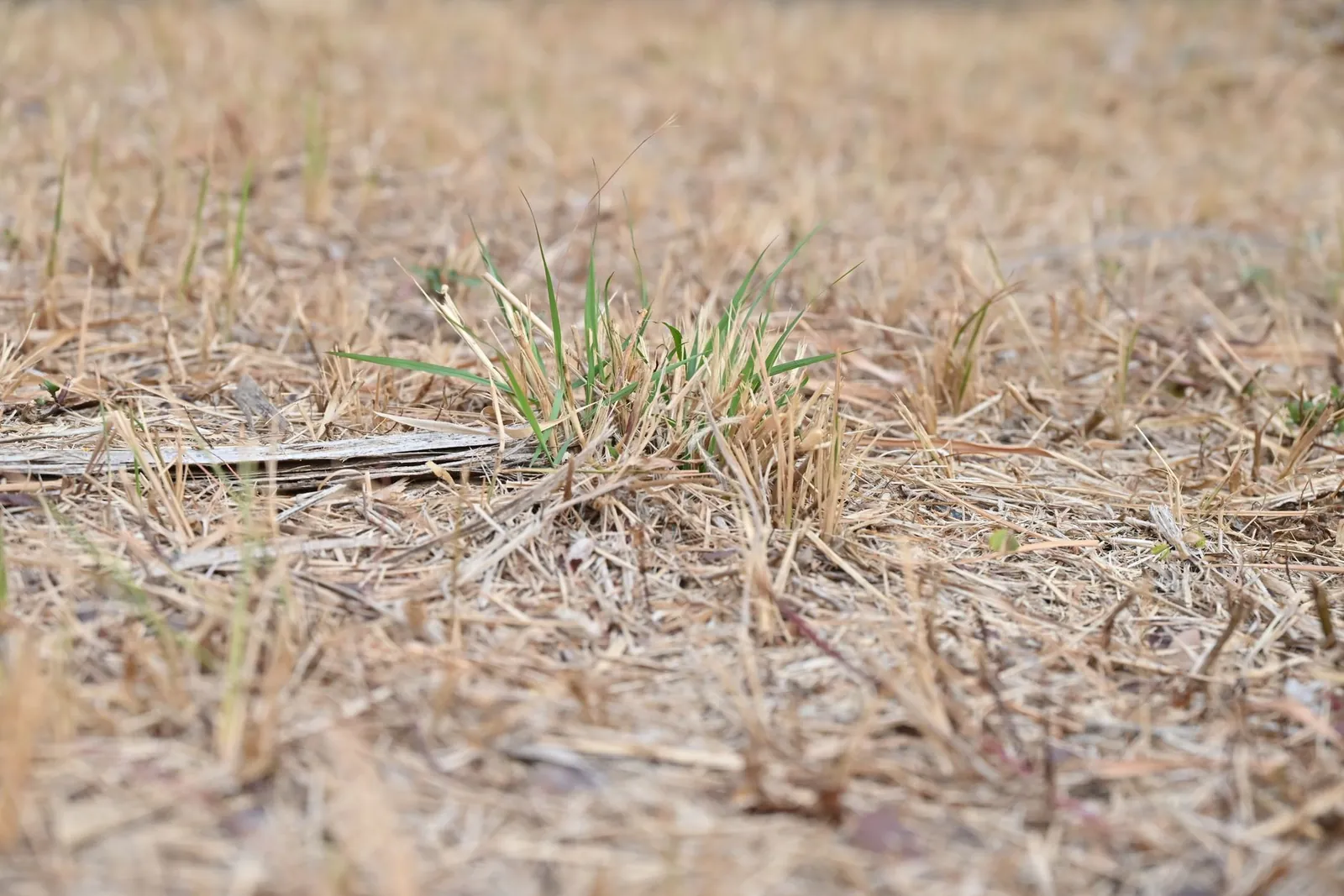
Two weeks is long enough for ryegrass and tall fescue, but not for Kentucky bluegrass. Here is how to tell slow germination from a failed seeding.
 garden landscaping
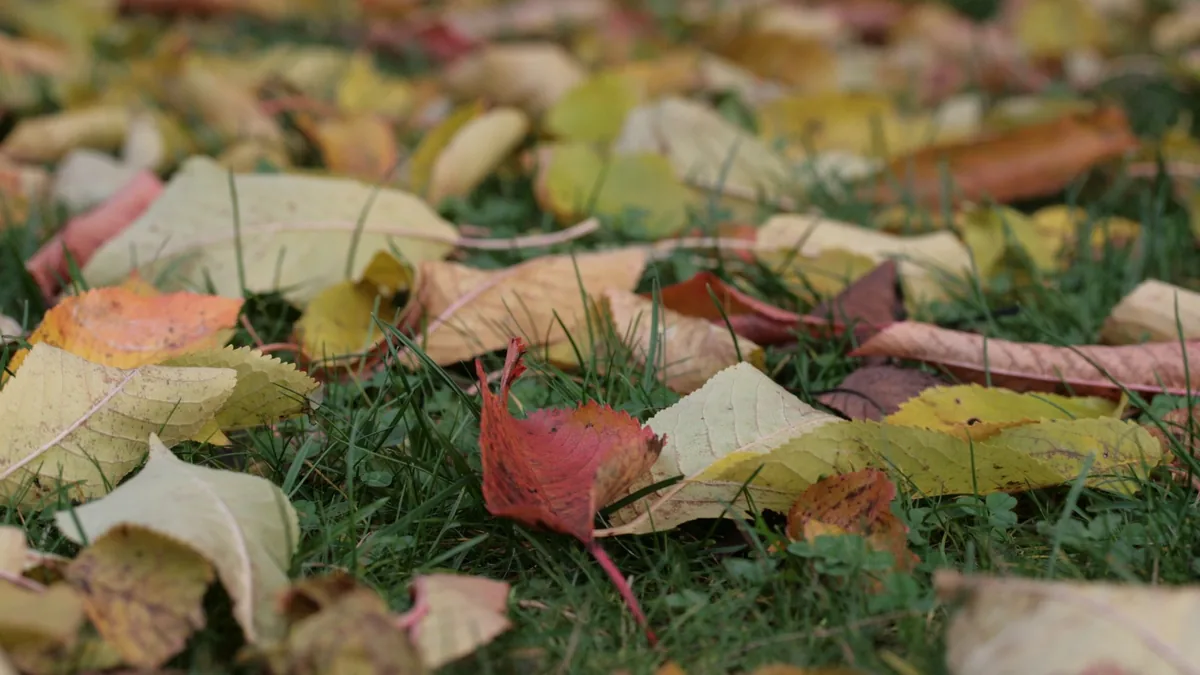
A practical fall cleanup guide: which plants to cut back to stop disease, which stems and leaves to leave for pollinators, and how to time the work.
 garden landscaping
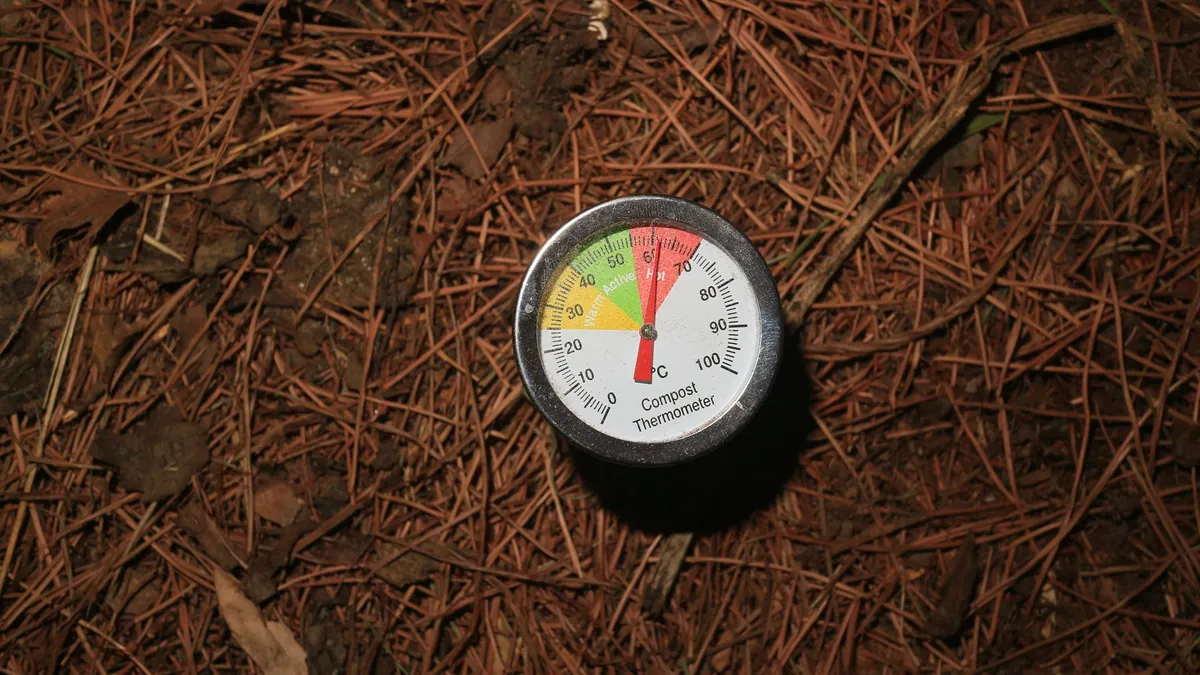
A stalled compost pile is usually too dry, too wet, too brown, or too small. Here is how to find the real cause and restart the heat in a few days.
 garden landscaping
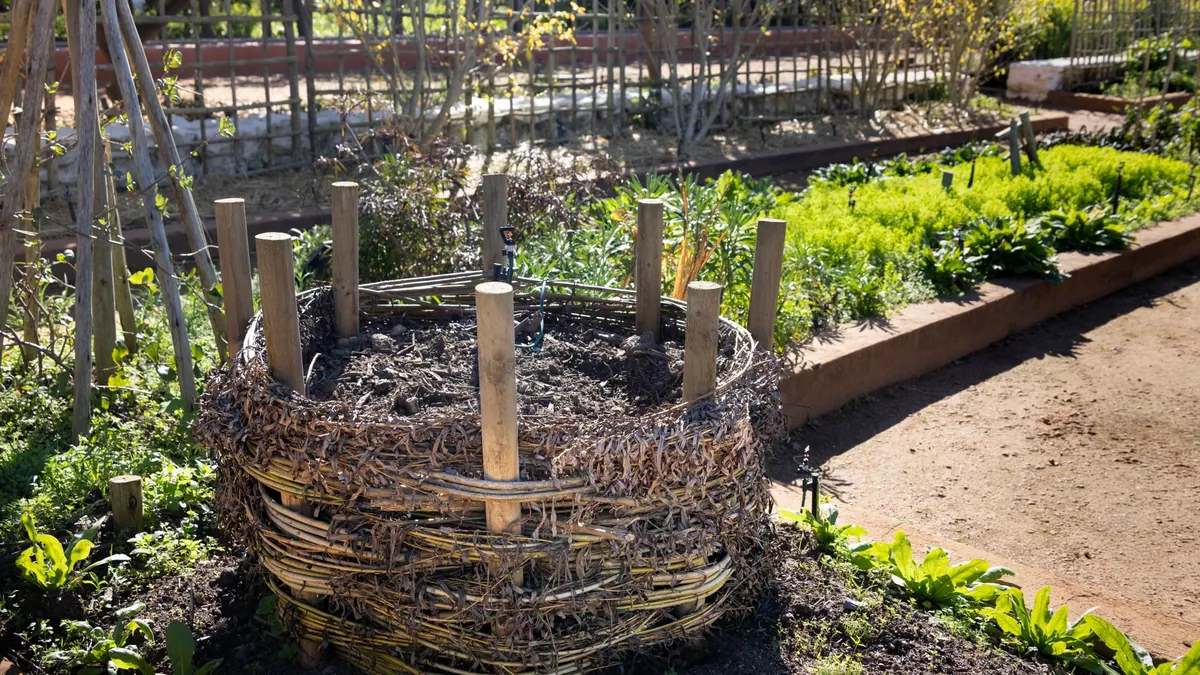
Kitchen scraps and yard clippings turn into free garden compost once you know the brown-to-green ratio, the moisture test, and the fixes for a smelly pile.
 garden landscaping
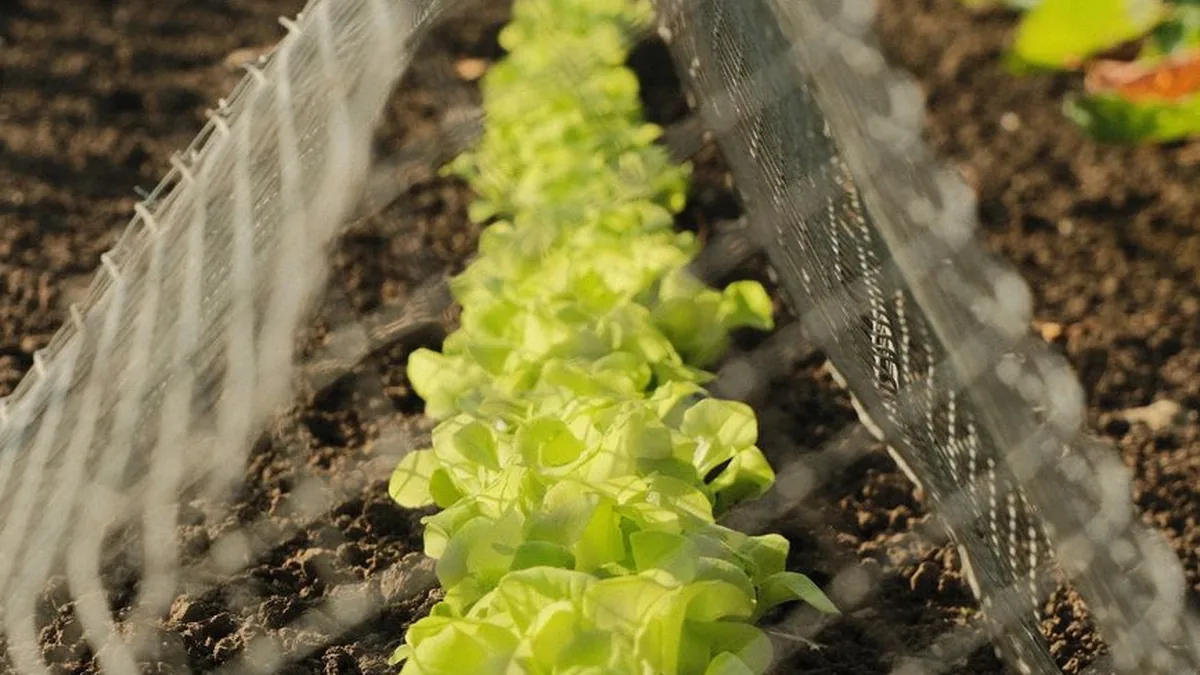
New to vegetable gardening? This step-by-step guide covers picking a sunny site, testing the soil, choosing easy first crops, and planting at the right time.
 garden landscaping
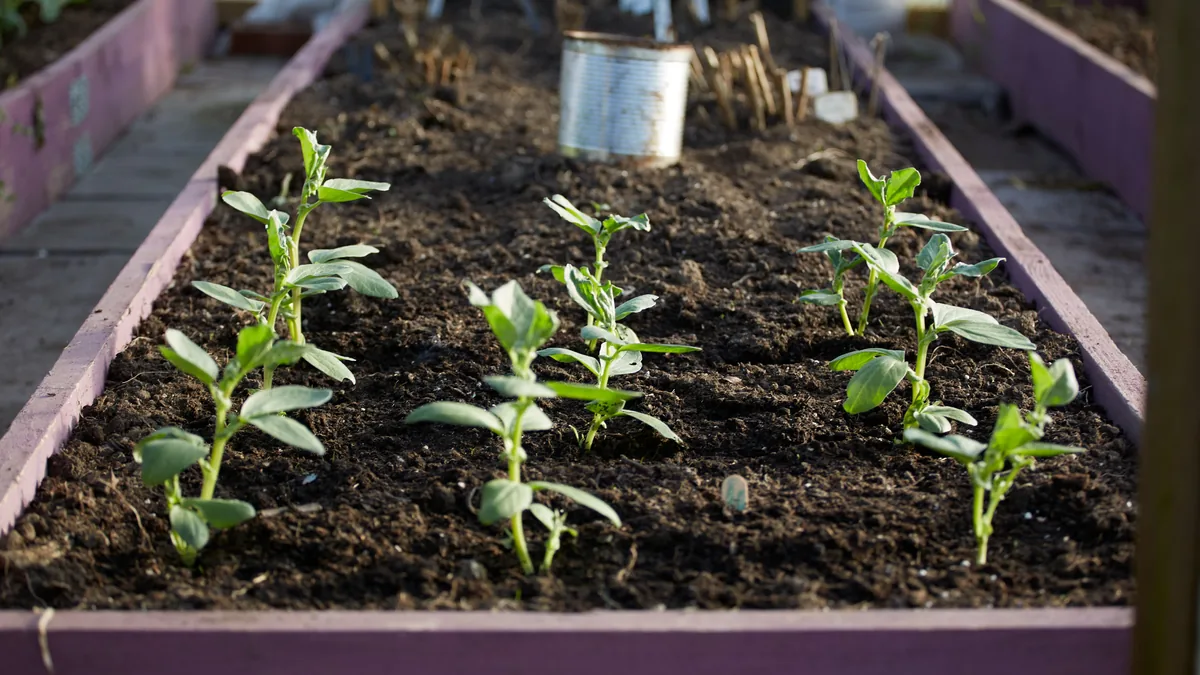
Raised beds warm sooner and go easy on your back; in-ground beds cost less and hold water longer. Compare soil, cost, drainage, and upkeep before you dig.
 garden landscaping
No single spray ends weeds for good. These seven natural methods remove what is growing now and stop the next generation, without chemicals that linger in soil.
 garden landscaping
Clay soil drains slowly, bakes hard, and frustrates gardeners. These proven amendments fix structure over time without digging, sand, or expensive machines.