 home decor
How to Layer Lighting in a Room (Without Overdoing It)
Ambient, task, and accent light each do a different job. Here is how to build all three in one room and keep the color temperatures consistent.
Practical guides for plants, home & garden
Tested advice for plant care, home decor, and landscaping, fixes, comparisons, and templates you can use today.
Short answer: fix the conditions a plant needs, light, water, soil, and timing, before you buy a product. Almost every problem covered on this site comes back to one of those four, and the fix is usually smaller than the internet suggests.
home decorAmbient, task, and accent light each do a different job. Here is how to build all three in one room and keep the color temperatures consistent.
 plant care
Scale insects hide under waxy shells on stems and leaf undersides. Learn to find live scale, time sprays to the crawler stage, and clear an infestation for good.
 plant care
A Christmas cactus is a tropical cactus, not a desert one. Give it bright indirect light, cool nights, and long dark in fall, and the buds will set and hold.
 plant care
Mealybugs hide in leaf joints and spread plant to plant. Spot them early, isolate the pot, and time repeat treatments so they do not come back.
 plant care
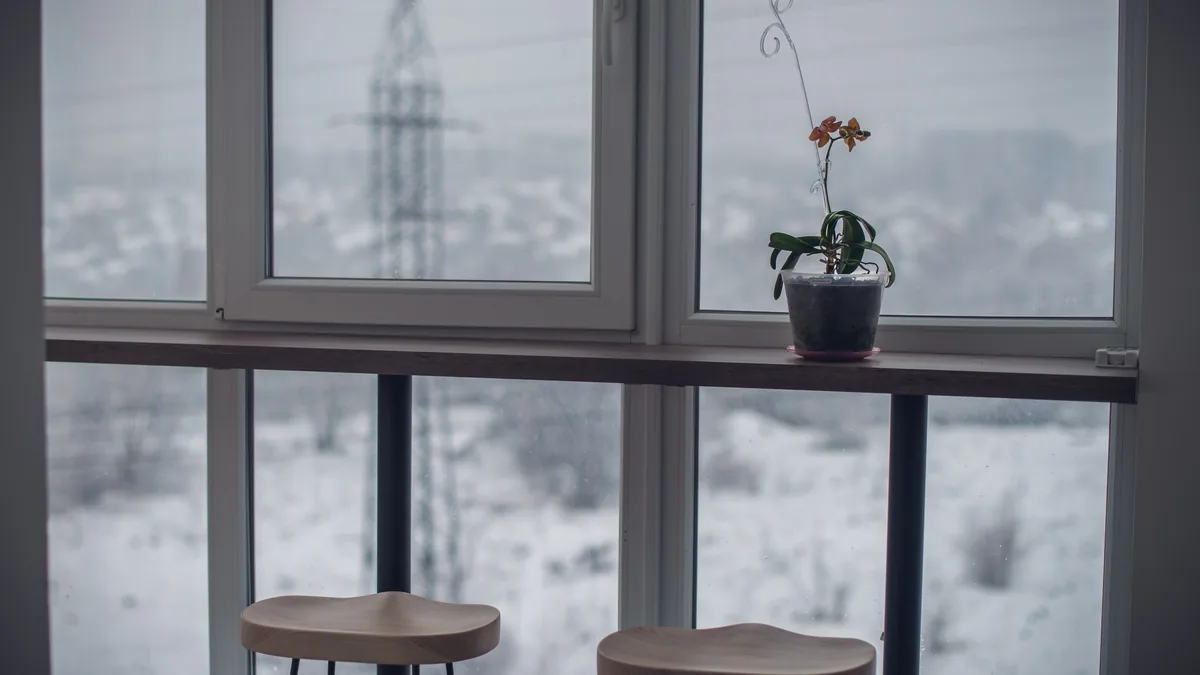
Cold glass pulls houseplant temperatures well below the room. Here is how cold is too cold, how to test your own spots, and how to keep leaves safe.
 plant care
Most houseplants stop growing in weak winter light and do not need fertilizer. Here is when to skip feeding, how to flush salt buildup, and when to start again.
 plant care
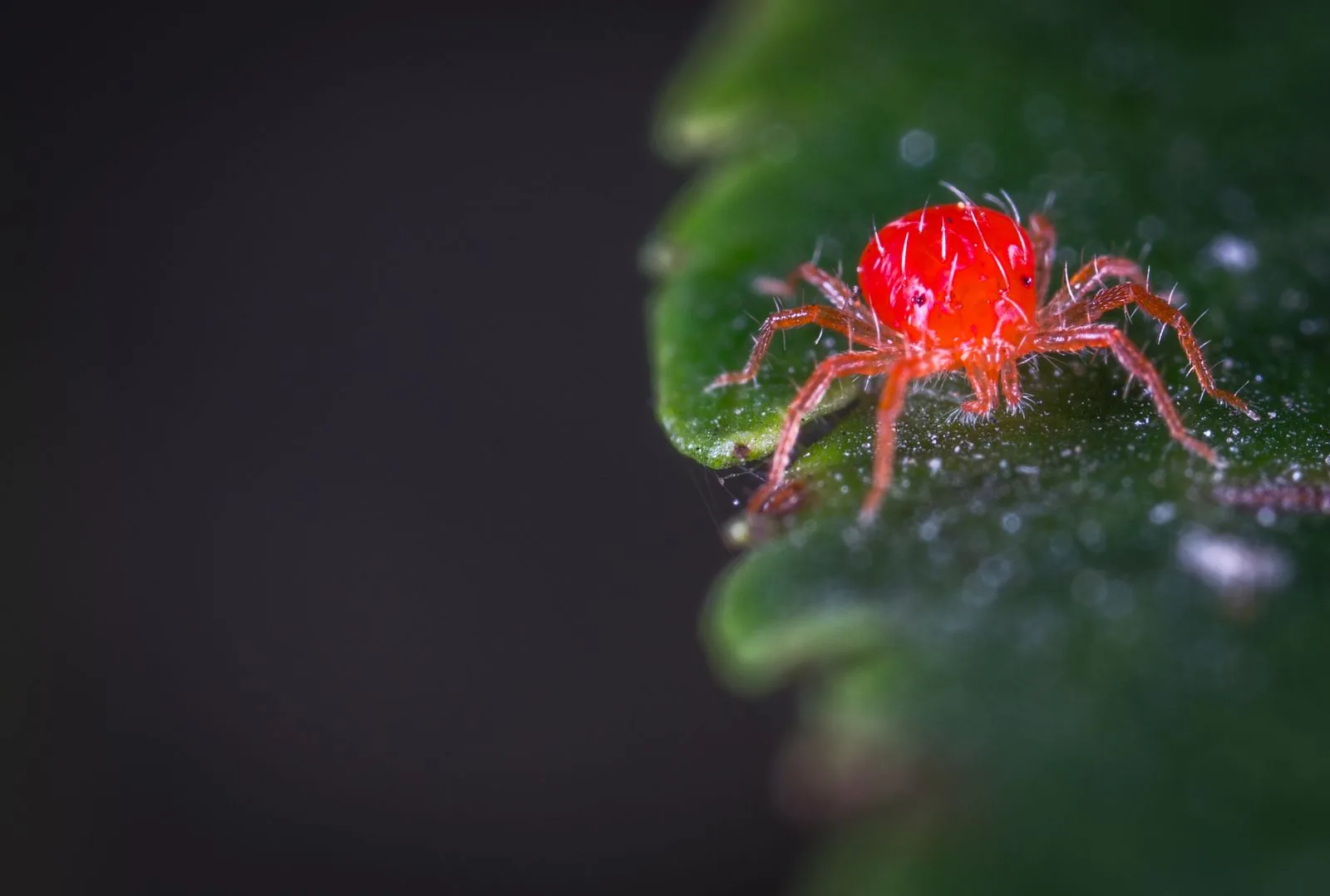
Fine webbing and pale, speckled leaves mean spider mites. Here is how to spot them and break their three-week breeding cycle for good.
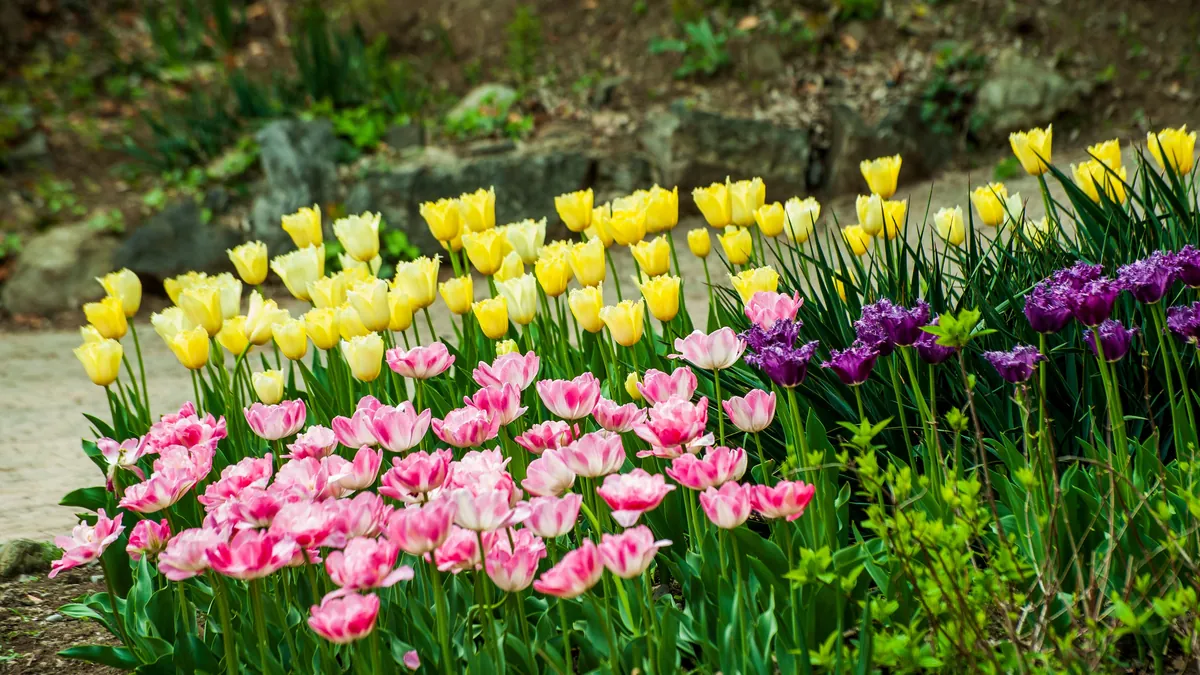 garden landscaping
Most garden tulips bloom well for only a few springs, then send up leaves with no flowers. Here is why yours faded, and the habits that make tulips return.
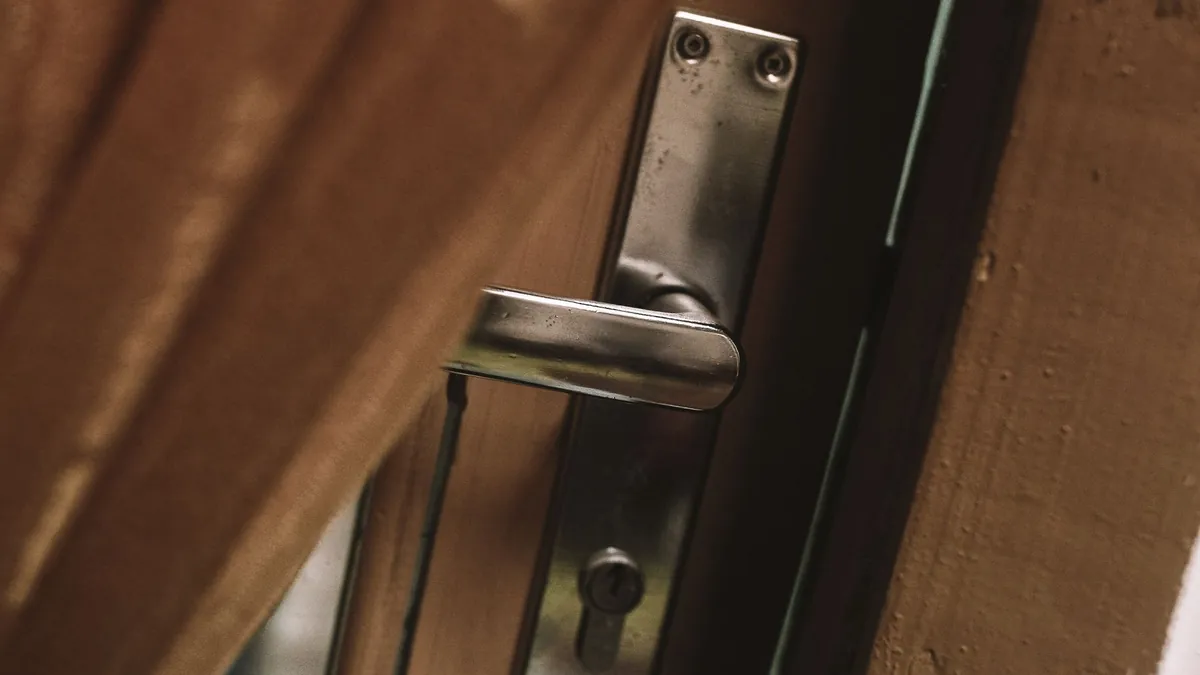 home decor
A door that swings open on its own almost always sits in a frame that is slightly out of plumb. Here is how to confirm the cause and fix it at home.
Garden advice fails most often because it answers a question nobody asked. A yellowing leaf is not automatically a nutrient problem, and a patchy lawn is not automatically a disease. Each symptom usually has three or four possible causes, and the cheapest way to find the real one is to check the conditions the plant is already growing in: how much light reaches it, how wet the soil is a hand's depth down, and what the roots are sitting in. Watering and light account for more recoveries than anything sold in a bottle. Until those are right, feeding a struggling plant mostly feeds the soil rather than the plant.
| Job | Start with | Why it works |
|---|---|---|
| A houseplant is declining | Beginner houseplants guide | Light and watering first, before any feed or treatment |
| Clay soil that holds water | Improving clay soil | Structure and drainage decide what will grow there |
| Weeds keep returning | Removing weeds naturally | Removing the cause beats removing the plant |
| Starting a vegetable bed | Starting a vegetable garden | Position, soil, and timing come before seeds |
| Grass seed did not come up | Grass seed troubleshooting | Moisture and soil temperature are the usual culprits |
| Compost is not heating | Fixing a cold compost pile | The balance of green, brown, air, and water |
Change one thing at a time and give it long enough to show a result. Most plant problems take one to three weeks to respond, and a fix applied together with three others teaches you nothing about which one worked. Where you can, measure instead of judging by eye: a finger pushed into the soil or a cheap moisture meter tells you more than the surface looks, and a light meter app gives a reasonable estimate of whether a spot is bright enough. Keep a short note of what you changed and when. The same problem usually returns next season, and that note is the only thing that makes the second attempt faster than the first.
Reviewed by the GardenTrekker editorial team. Last updated: October 1, 2026.