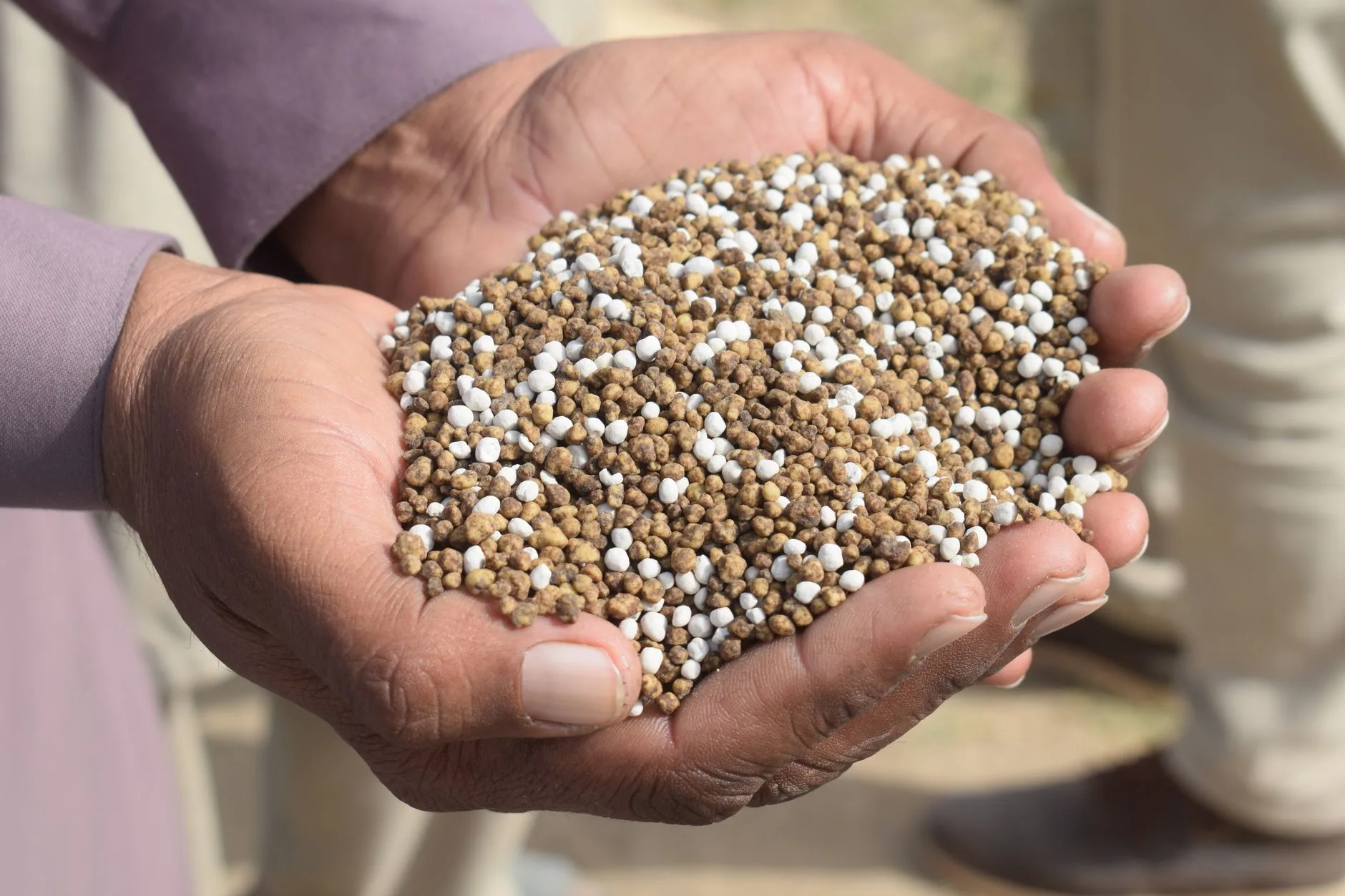
Most houseplants do not need fertilizer in winter. From about October through March, shorter days and weaker light slow growth to a crawl, so a plant that is not building new leaves or roots has almost no use for extra nutrients. Fertilizer applied now stays in the potting mix as soluble salts, and salt buildup is what burns root tips, browns leaf edges, and leaves a white crust on the soil surface and on the rim of the pot. Skip routine feeding until you see fresh growth, usually in March. The exception is a plant that keeps growing through winter, such as one under a grow light or in a bright south window that is pushing new leaves. Those plants can get a quarter-strength feed every four to six weeks. If you already fertilized, flush the pot with clean water and let it drain through.
Why Do Houseplants Stop Needing Fertilizer in Winter?
Fertilizer is not plant food. Plants build their own food through photosynthesis, and fertilizer only supplies the minerals that process runs on. Cut the light and you cut the demand.
Winter removes two things at once. Day length shrinks, so the total light a windowsill receives falls sharply, and indoor air near glass runs cooler than the room. Both slow photosynthesis, and a plant that is not adding leaves, stems, or roots is not drawing nutrients out of the mix. The University of Maryland Extension puts it plainly. Indoor plants do not need fertilizer during the winter months, because reduced light and temperature reduce growth, and feeding at that time can harm some plants.
What you pour in and the plant cannot absorb does not disappear. It accumulates as soluble salts in the potting mix and around the root zone, which is the beginning of the burn symptoms in the next section.
How Do You Tell If a Plant Is Still Growing?
Look for evidence rather than trusting the calendar. Signs that a plant is active include leaves unfurling at the tips, new stems or longer vines, buds, and fresh white root tips showing at the drainage holes. If none of that has changed in four to six weeks, the plant is resting and does not need feeding.
Light is the deciding factor, not the date. A plant sitting twelve hours a day under a grow light, or in an unobstructed south window, can keep growing right through winter. One parked in a shaded corner or a north window in December is effectively dormant.
A simple way to check is to photograph the newest leaf or mark it with a small clip. Compare a month later. If the leaf count and stem length are the same, there is nothing to feed. When growth does return, the Iowa State University Extension advice is to fertilize on a regular schedule in spring and summer, when plants are actively growing.
Which Plants Still Need a Winter Feed?
Most of a houseplant collection rests. The exceptions are plants that keep growing in a bright spot or under lights, and plants that flower or bloom in winter, such as orchids, Christmas cactus, and African violets. Give those a light feed while they are actively producing leaves or buds, then stop.
| Plant Group | Winter Feeding | Reason |
|---|---|---|
| Actively Growing Plants Under Lights | Quarter Strength Every Four To Six Weeks | New Growth Means Nutrient Demand Is Real |
| Resting Tropicals, Pothos, Monstera | Skip Until Spring | Slow Growth Means Slow Uptake |
| Winter Blooming Orchids, Christmas Cactus | Light Feed While Buds Form | Blooming Draws On Stored Energy |
| Succulents, Cacti, ZZ Plants | Skip Until Spring | Cool Low Light Triggers Rest |
| Damaged, Repotted, Pest Hit Plants | No Feeding | Roots Need Time To Recover |
One rule overrides everything else in the table. Do not fertilize a plant that is sick, injured, or freshly repotted. K-State Research and Extension frames fertilizer as medicine it is not, and advises waiting until the plant recovers before asking it to spend energy on new growth.
How Much Fertilizer Should You Use in Winter?
If you do feed, dilute. A standard liquid houseplant fertilizer assumes full-strength doses every two to four weeks during the growing season. In winter, cut that to roughly a quarter strength and stretch the interval to four to six weeks. The lower concentration matters more than the frequency, because it caps how much salt the mix has to hold.
Slow-release granules are a poor winter choice. They release on their own schedule for weeks or months, so you cannot dial the dose down when growth stalls. Save them for spring repotting.
Two timing habits prevent most problems. Never pour fertilizer onto dry soil, because concentrated salts against dry roots burn faster. Water first, then feed. And skip feeding for about a month after repotting into fresh mix, which usually carries a starter charge of nutrients already.
What Does Fertilizer Salt Buildup Look Like?
The signs are visible long before a plant dies. Look for a white or crusty deposit on the soil surface or on the outside rim of a terracotta pot, brown or scorched leaf tips and margins, wilting in soil that is still damp, lower leaves dropping, and growth that has stalled or shrunk.
K-State Research and Extension notes that the white residue around older clay pots is fertilizer salt, and that roots touching that residue can burn, along with leaves resting on it. The University of Maryland Extension lists browning leaf tips and margins, reduced growth, wilting, and dead root tips as the typical outcome of high salt levels.
If you see these symptoms, the fix is not a stronger feed. The plant is already dealing with too much salt, and the next section covers what to do.
How Do You Flush Fertilizer Salts Out of the Soil?
Flushing is the standard remedy, and it takes one session at a sink or in a shower. If you notice salt damage on the leaves in your collection, the same brown leaf tips guide walks through the other causes worth ruling out.
- Take the pot to a sink, a shower, or outside if the weather allows.
- Water slowly with clean water until it runs freely out of the drainage hole.
- Wait a few minutes, then repeat, for a total volume of water roughly equal to the size of the pot.
- Let the pot drain completely and empty the saucer so the plant never stands in the runoff.
- For a small pot with a heavy crust, repot into fresh potting mix instead of flushing.
The University of Vermont Extension recommends watering at a sink for exactly this reason, since the runoff carries the excess salts away. Once the mix is clean, hold off on fertilizer until spring. Pair the flush with the habit of raising the humidity around your plants, because dry winter air stresses them at the same time.
When Should You Start Fertilizing Again?
Start when you see new growth, which usually means March as daylight returns and the plant begins pushing leaves or roots. Begin with half-strength doses for the first two or three feedings, then move to the normal schedule for spring and summer. If a plant is blooming or growing steadily in February, you can start earlier.
The signal is the plant, not the calendar. A University of Vermont Extension gardener advises going the whole winter without feeding tropical houseplants and restarting when new growth appears. If you want a simple way to track the season changes, a weekly plant care checklist makes the switch easy to remember.
Sources
- University of Vermont Extension: Hibernating Houseplants
- University of Maryland Extension: Fertilizer for Indoor Plants
- University of Maryland Extension: Fertilizer Toxicity or High Soluble Salts in Indoor Plants
- K-State Research and Extension: Fertilizing Houseplants
- Iowa State University Extension: Should Houseplants Be Fertilized in Winter?


