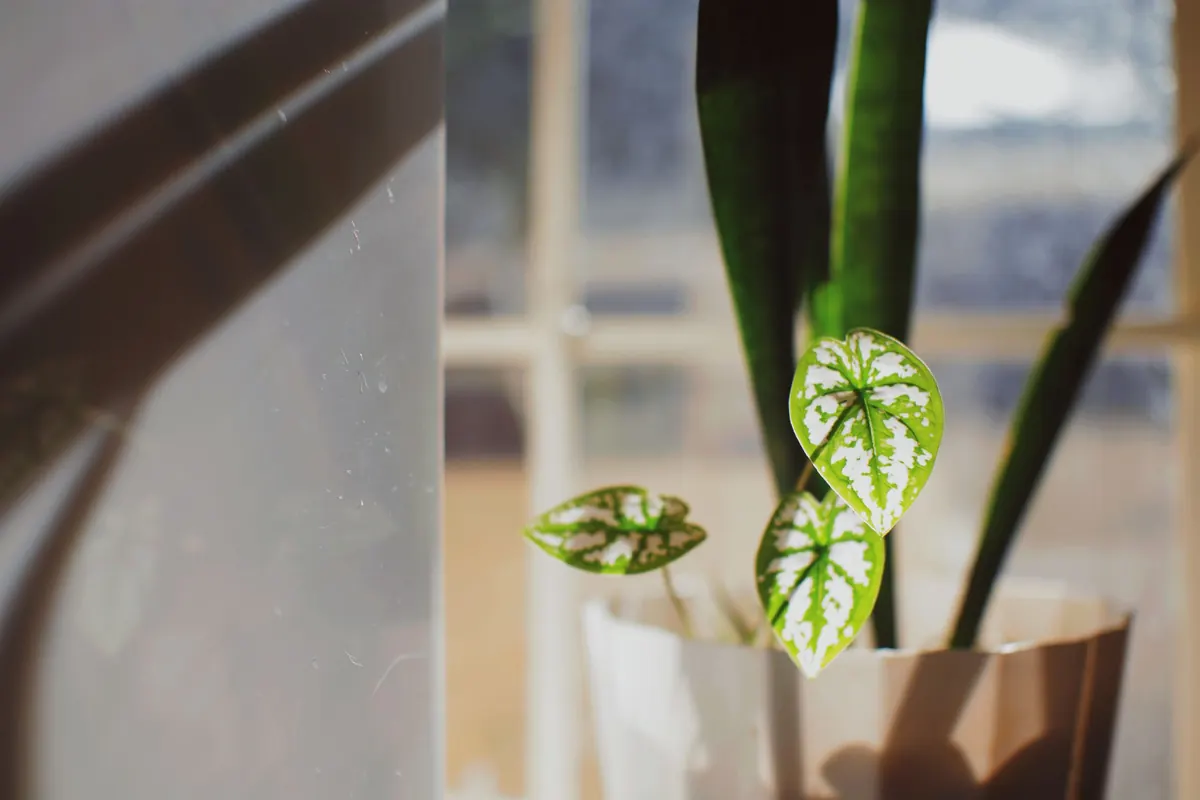
A houseplant that has not produced a new leaf in weeks is a common worry, and the answer is not always a problem. In plenty of homes the plant is simply resting, and nothing needs to change. In others, one specific thing has shifted: the light it receives, the room left in its pot, or the way its soil behaves when you water.
Working through the causes in a fixed order is faster than guessing. It also stops you from “fixing” things that were never broken, which is how plants end up overwatered and overfed while the real limit goes untouched.
Is it resting, or is something wrong?
Start by putting the pause on a timeline.
- Normal: a slowdown from late autumn through winter, when days are short. Many houseplants from tropical climates rest rather than grow in that window.
- Normal: no visible growth for a few weeks after you repot, move the plant, or bring it indoors for the season. Roots settle first, leaves follow.
- Worth investigating: no new growth through an entire spring and summer, new leaves that come out smaller and paler than the old ones, long bare stems with leaves only at the tips, or soil that stays wet for more than two weeks after watering.
If your plant falls in the last group, the six checks below cover almost every cause.
1. Light is the first limit to measure
Indoor light is far weaker than most people picture. Illinois Extension’s lighting guide for houseplants puts outdoor sunlight at around 10,000 to 12,000 foot-candles, while indoor positions range from roughly 75 foot-candles in low light to about 300 in bright light. That is a gap of more than thirty times, and it explains why a plant can sit in a room that feels bright and still be running on very little energy.
The same guide gives useful landmarks. A north window a few feet away is low light, around 75 foot-candles. A south window three to ten feet away is medium, around 150. Standing directly in front of an east or west window is bright, around 300.
Two signs tell you light is the limit:
- New growth stretches toward the window, with long gaps between leaves.
- Leaves stay small, or variegated plants start producing plain green leaves.
If the plant needs bright light and lives eight feet from a north window, it is surviving rather than growing. Moving it closer to the glass, washing the window, and turning the pot a quarter turn each week can restart growth without spending anything. A grow light is the next step, run for 14 to 16 hours a day, since the same extension guidance notes that plants also need a rest period and should not be lit around the clock.
One easy thing to forget: a film of dust on the leaves blocks light before it ever reaches the leaf surface. Our guide to cleaning houseplant leaves without damaging them covers the safe method for different leaf types.
2. Slide the plant out of its pot
This check takes a minute and settles the most common physical cause. Lay the pot on its side, support the stem, and ease the root ball out.
- Roots circling the inside wall or pushing out of the drainage holes mean the plant is root-bound. There is no room for the new roots that would feed new top growth, and water tends to rush down the gap between root ball and pot instead of soaking in.
- A small root ball in a large volume of wet soil is the opposite problem. The roots cannot use all that moisture, and growth stalls while the surplus sits there.
Illinois Extension notes that some houseplants do well pot-bound while others do not, and that repotting is best done while the plant is actively growing, typically in spring or early summer. If you find circling roots, move up one pot size only and use fresh mix. The step by step method is in our houseplant repotting guide.
3. Watch how the soil behaves when you water
Soil that has compacted or dried out can repel water, so it runs around the root ball and out of the pot while the roots stay dry. The plant then behaves exactly like an underwatered one: no growth, and often brown tips and crisping edges. If your mix sheds water instead of absorbing it, the fix is covered in why potting mix repels water and how to fix it.
The reverse habit stalls plants just as reliably. Roots need air as well as water, and soil that never dries out suffocates them. Water deeply, then let the top inch or two dry before watering again, and empty the saucer so the pot never stands in water.
4. Feed to match growth, not to force it
More fertilizer does not create growth that light and roots cannot support, and excess salts burn roots. The practical schedule most houseplants need is modest: Illinois Extension advises fertilizing only when a plant is actively growing, roughly once every one to three months between March and September, and notes that plants need little or no fertilizer during the short days of winter. Feeding through a rest period adds salt to soil that nothing is using.
If a plant has been in the same mix for years without feeding, a single balanced dose in spring is reasonable. If you have been feeding every two weeks all winter with no new leaves, stop and check light instead.
5. Keep the air steady
Temperature swings work against growth. Most foliage houseplants prefer days around 65 to 75°F with nights 5 to 10°F cooler, and they react badly to hot or cold blasts from radiators, vents, doors and cold glass. A plant beside a drafty window will often sit still all winter no matter how well it is watered.
Dry air is the companion problem. Indoor humidity in winter often falls below 30 percent, well under what tropical plants expect. Grouping pots together, using a pebble tray, or running a small humidifier keeps the air around the leaves closer to what the plant can use.
6. Check for pests you cannot see
Sap-feeding pests stall growth quietly because they drain the plant. Look under the leaves, along the stems and at the growing tips with a magnifier, and tap a leaf over white paper to see if anything moves. Fine webbing, pale stippled patches on the top of leaves, sticky residue or small cottony clusters all point to an active infestation. Deal with it before expecting new growth, since a plant under attack spends its energy replacing what the pests take.
The order that works
Work down the list and stop at the first thing that does not match healthy conditions:
- Measure light and compare it with what the plant needs.
- Slide the root ball out and look at the roots.
- Feel the soil and watch how water moves through it.
- Check when the plant was last fed and whether it is in its growing season.
- Look at temperature and humidity where the pot actually sits.
- Inspect the undersides of leaves for pests.
Fix that one thing, then give it four to six weeks. Plants are slow to respond, and changing three things in the same week tells you nothing about which one mattered.
What normal looks like from fall onward
From late September the days shorten quickly, and most indoor plants move into a slower gear. Water use drops, older leaves may yellow and drop, and any fertilizer schedule should taper off. Plants that spent the summer outside often look stalled for a few weeks after coming back in, since indoor light is a small fraction of what they had on a shaded patio.
None of that is failure. It is the season the plant is built for. Keep it in your brightest spot, water less often, skip the feeding, and the new leaves will show up when the light comes back in spring.


