The peace lily (Spathiphyllum) earns its reputation as one of the easiest flowering houseplants you can own. It tolerates low light, forgives a missed watering, and quietly removes common indoor air pollutants — all while producing elegant white blooms for months at a time.
It does have one weakness: it communicates distress loudly, and most problems trace back to the same few mistakes. Get watering, light, and potting right and your peace lily will outlive its pot.
Peace lily care at a glance
| Need | What it wants |
|---|---|
| Light | Bright, indirect light; tolerates low light but blooms less |
| Water | When the top 2-3 cm (1 inch) of soil is dry; usually weekly |
| Soil | Well-draining, peat- or coco-based mix with perlite |
| Humidity | Average home levels are fine; higher humidity helps |
| Temperature | 18-27°C (65-80°F), away from cold drafts |
| Fertilizer | Balanced houseplant feed, monthly in spring and summer |
| Toxicity | Mildly toxic to cats and dogs |
Light: bright but never direct
Peace lilies are native to the shaded forest floor of Central and South America, so they prefer bright, indirect light — the kind you get a meter or two back from an east or north window, or filtered through a sheer curtain elsewhere.
Direct sun is the real enemy. A few hours of harsh afternoon sun will scorch the leaves, leaving brown, papery patches that never heal. If the leaves look pale or the plant stops blooming, it needs more light. If the leaf edges crisp up, move it further from the window.
A peace lily can survive in a dim corner, but it will grow slowly and flower rarely. If your room is dark, consider a grow light for a few hours a day — the plant responds quickly.
Watering: the one thing that matters most
Peace lilies wilt dramatically when thirsty, which makes them easy to read. The leaves droop, the stems bend, and the whole plant looks like it’s having a bad day. A deep drink brings it back within hours.
But here’s the trap: drooping is also the first sign of overwatering. If you water every time the plant droops without checking the soil, you drown the roots and the drooping gets worse.
Use the finger test instead:
- Push your finger about 2-3 cm (1 inch) into the soil.
- If it feels dry, water thoroughly until water runs from the drainage holes.
- If it feels damp, wait. Check again in two or three days.
In an average home that works out to once a week in summer and every 10-14 days in winter. Always use a pot with drainage holes — a peace lily sitting in standing water will develop root rot within weeks.
Soil and repotting
Use a well-draining houseplant mix — a peat- or coco-coir-based potting soil with perlite or bark added. The mix should hold moisture without staying soggy.
Repot every 12-18 months or when roots crowd the pot and the soil dries out very quickly. Choose a pot only 2-5 cm (1-2 inches) wider than the current one. Too large a pot holds excess water around the roots, which invites rot.
Humidity, temperature, and dust
Peace lilies are happiest between 18-27°C (65-80°F). Keep them away from heating vents, air conditioners, and drafty windows — sudden temperature swings cause brown edges.
Average indoor humidity is fine, but the plant appreciates more. If your air is dry, group it with other plants, set it on a pebble tray with water, or mist the leaves occasionally. And wipe the leaves with a damp cloth every few weeks: dust blocks light and reduces the plant’s ability to transpire, which directly affects how it takes up water.
Fertilizer: less is more
Feed a peace lily with a balanced liquid houseplant fertilizer diluted to half strength, once a month during spring and summer. Skip feeding entirely in fall and winter, when growth slows.
Brown leaf tips after feeding usually mean too much fertilizer. If you see white crust on the soil surface, flush the pot with clean water and pause feeding for a couple of months.
Common problems and quick fixes
- Drooping leaves — check the soil first. Dry: water deeply. Soggy: let it dry out and inspect the roots for rot.
- Brown leaf tips — usually tap water, dry air, or over-fertilizing. Switch to filtered water and raise humidity.
- Yellow leaves — often overwatering or age. Trim old yellow leaves at the base; adjust your watering schedule.
- No blooms — not enough light or no feeding. Move it brighter and fertilize monthly in the growing season.
- Pale, washed-out leaves — too much direct light. Move it back from the window.
If you’re dealing with any of these, the same care principles apply to most other common houseplants — the watering and light basics in our beginner’s guide to houseplants cover everything from soil to potting. And if you’re watering weekly without checking, the schedule in our spider plant watering guide shows how to adjust frequency to your home rather than the calendar.
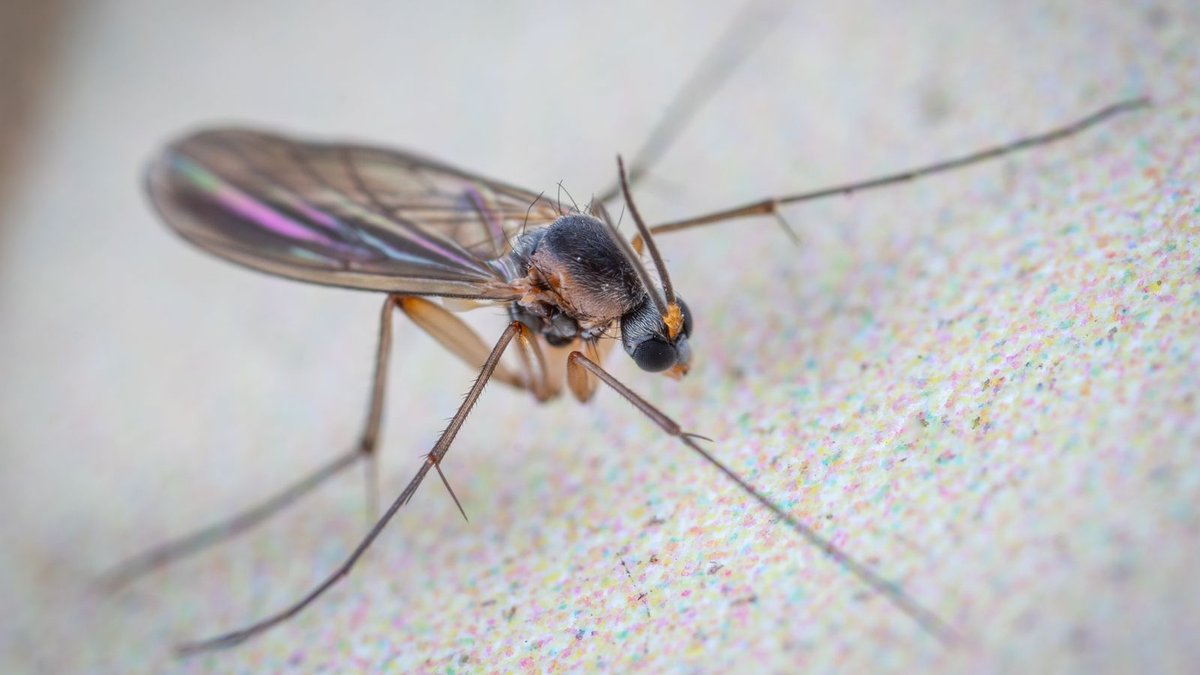
One more tip: peace lilies love moist soil, which occasionally attracts fungus gnats. If you spot tiny flies around the pot, our guide to getting rid of fungus gnats has the fix that stops them at the source.
The bottom line
Peace lily care comes down to three habits: water only when the top inch of soil is dry, keep it in bright indirect light, and repot every year or two. Do those three things and the plant rewards you with glossy leaves and those unmistakable white blooms — usually within a couple of months of settling in.