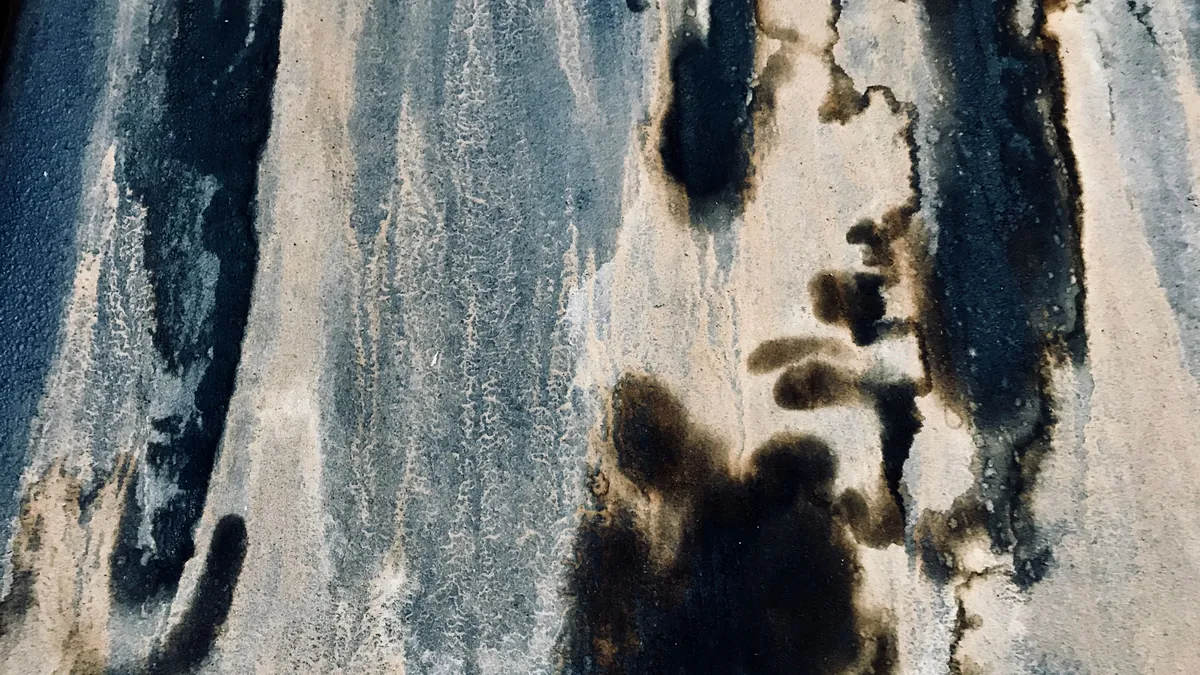
A dark patch creeping up the corner of a bedroom wall is rarely a cleaning failure. Mold is a moisture problem wearing a stain as a disguise, which is why the same patch comes back a few weeks after you scrub it.
The fix is straightforward once you know where the water is coming from. Below is what mold needs in order to grow, how to clean a small patch without spreading spores through the room, when the job is too big for a weekend, and the habits that keep walls dry for good.
What mold needs to grow
The EPA is blunt about it: there is no practical way to remove every mold spore from a home, and none of them can grow without moisture. Spores drift in through open windows and ride in on clothing and pets, then settle on surfaces and wait. Give them a damp wall and they colonize it.
That single fact decides how you should approach any mold problem. Cleaning without finding the water source is doing the job twice, because the mold returns as soon as the surface is wet again. The moisture behind most indoor mold comes from one of four places:
- Leaks: plumbing under sinks, a dripping trap, a roof leak, an overflowing gutter, a cracked exterior seal.
- Condensation: cold surfaces such as windows, exterior walls, pipes and uninsulated corners where warm indoor air meets a cool surface.
- Everyday humidity: showers, cooking, and drying laundry indoors with no vent to the outside.
- Water damage: a flood or burst pipe that was mopped up but never properly dried.
Is it mold or just dirt?
The clues are consistent, and the difference matters because the two need completely different responses:
| Sign | What it points to |
|---|---|
| Musty, earthy smell that stays in the room | Mold, even if you cannot see it |
| Patch that spreads outward over weeks | Active growth, moisture still present |
| Grows in corners, on grout, silicone or window frames | Condensation, not a leaking pipe |
| Returns within weeks of cleaning | Water source was never fixed |
| Wipes off and stays off | Dirt, dust or soot |
Testing is usually unnecessary. The EPA’s guide notes that when visible mold is present, sampling adds nothing useful, since no federal limits exist for mold or mold spores in indoor air. A lab result cannot tell you whether your home is safe. Your eyes, your nose, and a thorough search for water can.
Gear up before you start
- An N-95 respirator. The EPA recommends one to limit exposure to airborne spores, and notes they typically cost about 12 to 25 dollars. It only works if it fits properly.
- Gloves and eye protection. Spores irritate eyes, nose and throat, in allergic and non-allergic people alike.
- Ventilation. Open a window and run a fan, and keep the door closed so spores do not travel through the rest of the house.
- Distance for sensitive people. Anyone with asthma or mold allergies should stay out of the room while you work.
- No bleach cocktails. Never mix a bleach solution with a cleaner that contains ammonia, because the combination produces toxic fumes.
Cleaning a patch smaller than 10 square feet
EPA cleanup guidance draws the DIY line at about 10 square feet, roughly a 3 ft by 3 ft patch. Anything smaller, without major water damage, is a job you can do yourself:
- Stop the water first. Fix the leak, unblock the gutter, or deal with the condensation. Without this step, nothing else you do matters.
- Dry the area fast. The EPA’s target is to clean and dry damp building materials and furnishings within 24 to 48 hours to prevent mold growth, so drying is urgent, not cosmetic.
- Scrub hard surfaces with detergent and water. Work from the outside of the patch inward, rinse the cloth often, and dry the surface completely when you finish. Tiles, glass, metal, sealed wood and painted walls usually survive this well.
- Throw out porous materials. Ceiling tiles, carpet, carpet padding and soaked drywall that stayed wet are hard or impossible to clean, because mold grows inside the material. Replacement is the honest answer.
- Do not paint or caulk over it. Paint applied over a moldy surface is likely to peel, which is one of the reasons paint starts flaking off walls in damp rooms. Clean, dry, fix the moisture, then prime and paint.
- Wash up afterward. Rinse tools outside, launder or discard the cloths you used, and shower once you are done.
What about bleach and mold sprays?
Bleach kills mold, but killing is not the same as removing, and that distinction is the whole reason the EPA does not recommend biocides such as chlorine bleach as a routine part of mold cleanup. Dead mold can still cause allergic reactions, so it has to come off the surface. Detergent and water removes it. A biocide can also stain or damage grout, sealant and some finishes, which is a poor trade on a bathroom wall.
If you do choose a disinfectant, ventilate the area and exhaust the air outdoors, and read the label before you mix anything.
When to call a professional
Some jobs are worth handing over. Call an experienced mold remediation contractor if:
- The mold covers more than about 10 square feet, or there was serious water damage.
- The water was contaminated. Sewage backups and floodwater carry bacteria along with mold.
- The HVAC system may be involved. If mold is growing near an intake or the system is part of the moisture problem, do not run it. The EPA warns it can spread mold through the whole building.
- You suspect hidden mold. A musty smell with no visible source, staining on the ceiling, or paint that keeps bubbling points to growth behind drywall, wallpaper, paneling, ceiling tiles or carpet. Pulling down moldy wallpaper can release a large burst of spores, so this is not a job to improvise.
- Anyone in the home has health concerns. Talk to a health professional before starting cleanup.
Renters have a lever here: report every leak and moisture problem to the landlord in writing. If persistent water problems go unaddressed, local health or housing authorities are the next step.
Keeping it from coming back
Prevention comes down to one principle that the EPA repeats throughout its guidance: moisture control is the key to mold control. Translate that into a short list of habits:
- Hold indoor humidity between 30 and 60 percent. A cheap hygrometer tells you where you stand, and a dehumidifier in a basement or crawl space does the rest.
- Vent moisture to the outside. Run the bathroom fan during and for a while after showers, vent the dryer outdoors, and use the kitchen exhaust fan while cooking.
- Fix leaks the day you find them. A slow drip behind a cabinet is a mold farm with a head start.
- Stop condensation. Add insulation to cold surfaces such as exterior walls and pipes, and leave a gap of air between furniture and outside walls where damp air otherwise sits.
- Skip carpet in permanently damp spots. Basements with a history of leaks, and floors around plumbing fixtures, are better served by hard flooring.
- Clean damp rooms more often. Shower mold is a ventilation problem first and a cleaning problem second.
The same rule scales down to a plant saucer: constant moisture grows something, whether it is on a wall or in potting soil. If you are already seeing fungus gnats around your houseplants, the cause is wet soil, not bad luck.
The short version
Find the water. Dry the area within a day or two. Scrub with detergent and water rather than reaching for bleach. Replace materials that stayed wet. Then keep humidity in the 30 to 60 percent range and vent the damp rooms properly. Mold is a symptom, and once the moisture is gone, the wall stays clean.